
 Robert Hamer
Hey, did you hear the big announcement at Comic-Con last weekend? They’re making another Carrie! This time as a limited series on Amazon Prime Video!
Cool, right? Uh… right? Granted, we’ve been remaking this pretty regularly since the Brian de Palma classic hit theaters literally five decades ago (fun fact: more time has passed between the theatrical release of that movie and right now than the theatrical release of that movie from the first-ever commercially released feature-length film to use synchronized sound), but whatever, there’s gonna be a new one! And Mike Flanagan is the showrunner for the series because, for some reason, the filmmaker who first caught my attention with one of the most refreshing and creative home invasion thrillers of the last ten years has decided to become One Of Stephen King’s Trusted Cinematic Adapters™ alongside Andy Muschetti. And hey, it’s not like he’s a bad choice to accept such a mantle; if he could adapt the worst Stephen King novel I have ever read into something marginally watchable and functional (if still not quite “good”), surely someone of Flanagan’s considerable talents can find an innovative approach to one of King’s most iconic stories.
Well… I’m not actually sure if that’s even possible with Carrie. This isn’t me launching into one of my screeds about a Boomer-era intellectual property being extended well past its shelf-life in another sign of our calcified pop culture, either. I mean, yes, it is that, but in theory, the story of a young hero going on an adventure to overthrow a tyrannical empire in a galaxy far, far away or a rich orphan embarking on a mission to fight crime dressed as a bat are fairly timeless setups for stories that can appeal to subsequent generations regardless of changing cultural norms and frames of reference. But the very nature of Carrie’s story and setting can’t possibly work nowadays, can it?
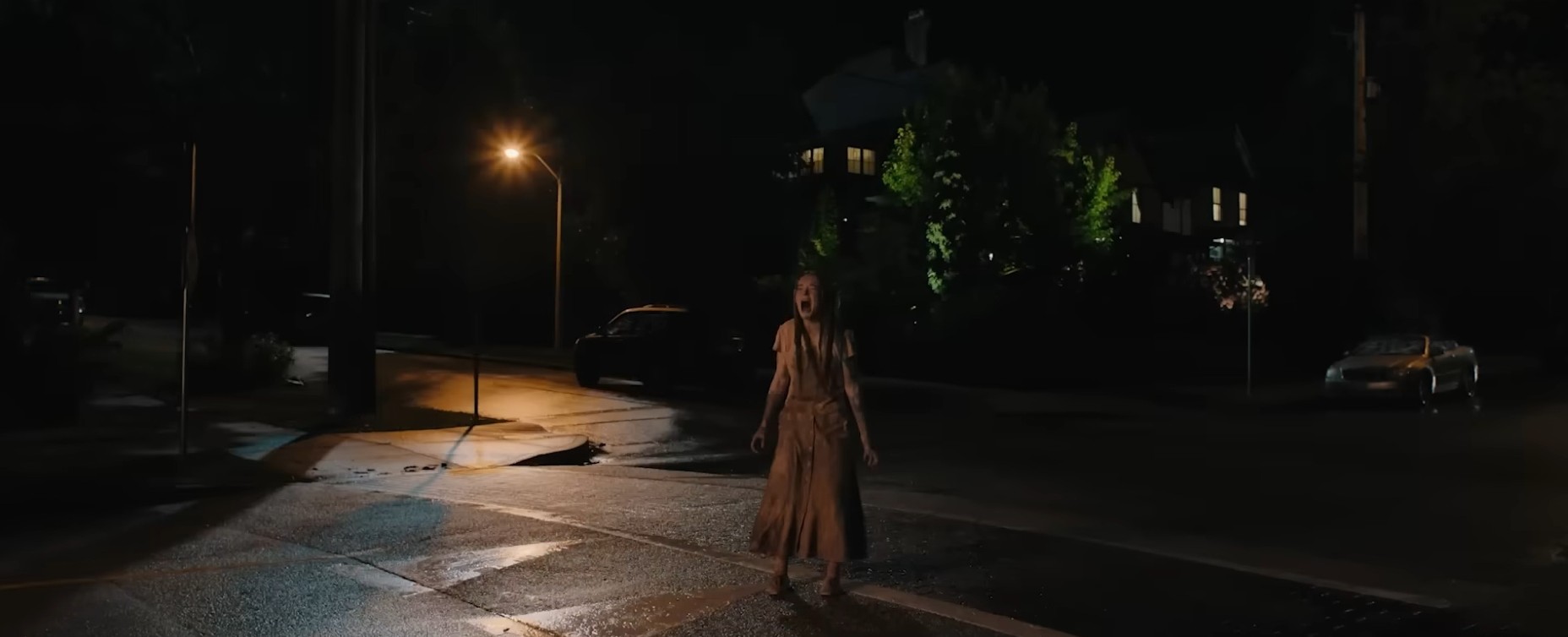
For those of you who need a refresher, Carrie tells the story of an awkward, shy, lonely teenage girl (put a pin in that) constantly bullied by her classmates at school and under the thumb of her psychotically devout Christian mother at home. She discovers she has burgeoning telekinetic powers at around the same time one of her former bullies, Sue, wants to turn over a new leaf and convinces her boyfriend to ask Carrie to prom (put a pin in this one as well). She eventually accepts and is even named prom queen at the event. Everything seems to be looking up for her until one of her other bullies pulls a cruel prank by dumping literal pig’s blood (let’s put a pin in that, too) on top of her. Feeling overwhelmed by shame boiling over into rage, she unleashes her powers in a violent fury, massacring almost everyone at prom except for Sue. Mom eventually gets her just desserts, too.
There are at least three things in that one synopsis alone that probably make no sense to a modern teenager. For one thing, her sense of isolation probably has to change considerably from how such feelings were evoked in the 1970s. High-speed internet and omnipresent mass communication exist. Obviously, things like bullying and loneliness still exist in the 2020s (in some ways to an even greater degree than before), but they don’t take the form of girls throwing tampons at another girl going through her period chanting “Plug it up! Plug it up!” and I have to think a teenager watching that scene today would believe they’re watching aliens on another planet, right? Carrie would have groupchats and social media spaces full of other weird, shy teenagers to commiserate with. Heck, there’d be hundreds of places online full of believers in supernatural abilities! But okay, maybe her abusive ultra-orthodox mother forbids her from having a phone or social media profiles…
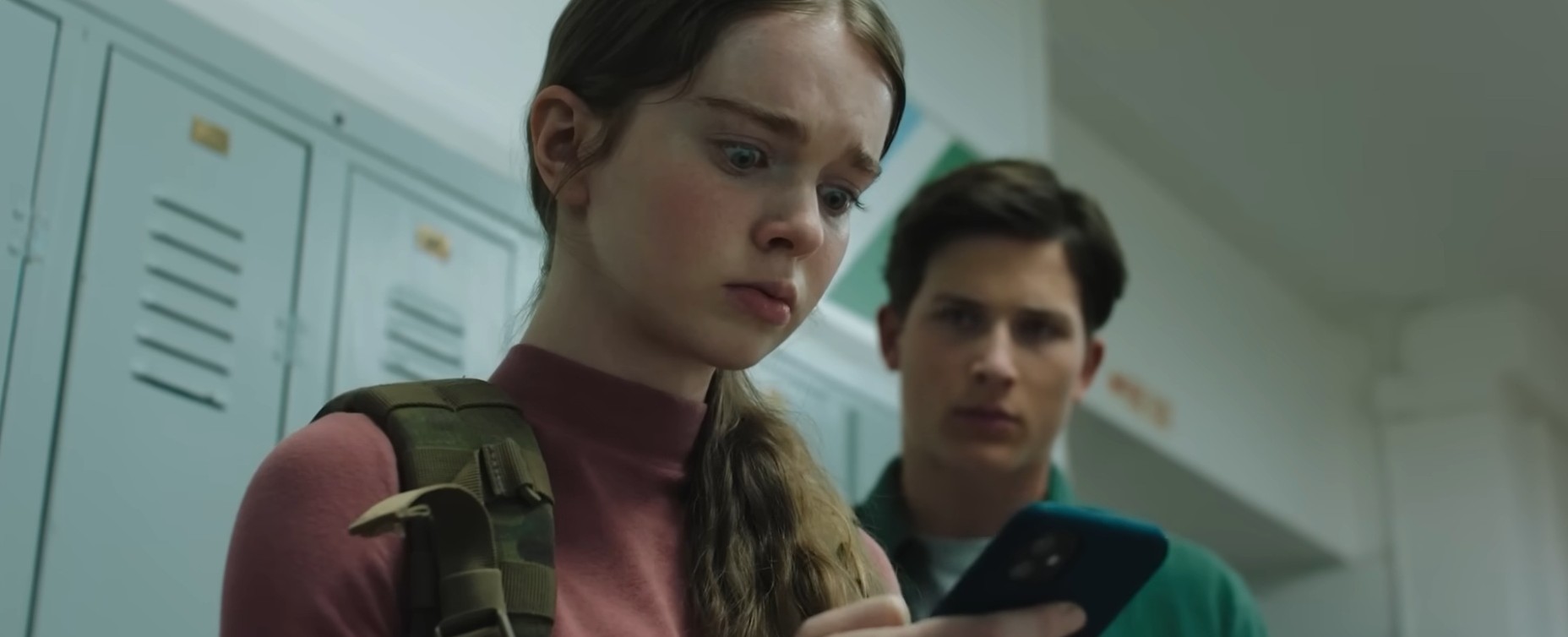
… or maybe not. She definitely has access to technology. But that’s the least of this story’s problems in trying to modernize it. Take Sue, for example. If you’re a teenage girl reading this article, let me know in the comments if you’d ever let another girl be your boyfriend’s date to the prom, even out of pity for her…
…
… yeah, that’s what I thought. And I don’t want to be a “Back in my day, we knew the value of hard work!” old geezer here, but kids these days just don’t have the work ethic or the commitment to sneak into a farm, slaughter a pig, collect its blood in a bucket, surreptitiously position that bucket on the rafters of the school gym, and tie a rope around it to fall on exactly the right spot. Modern high school bullies just don’t put that kind of elbow grease into their cruelty!
Flanagan, apparently, understands this, admitting to Deadline:
Here’s the thing, Carrie was written half a century ago. Carrie was adapted spectacularly by Brian De Palma. It is iconic. It is untouchable. There is no reason whatsoever to try to follow in those footsteps and to try to walk on that path. However, the world has changed quite a lot.
He explains further to Deadline that he even organized focus groups of teenagers sharing their experiences of modern bullying to make this more relevant:
They shared shocking one-off situations or constant treatment and microaggressions and things that are not necessarily present themselves as targeted harassment. [We will dive into] the cruelty in today’s world and how the internet has encouraged cruelty, rewards and celebrates and amplifies it. This is awful for adults to deal with, and for teenagers even more so.
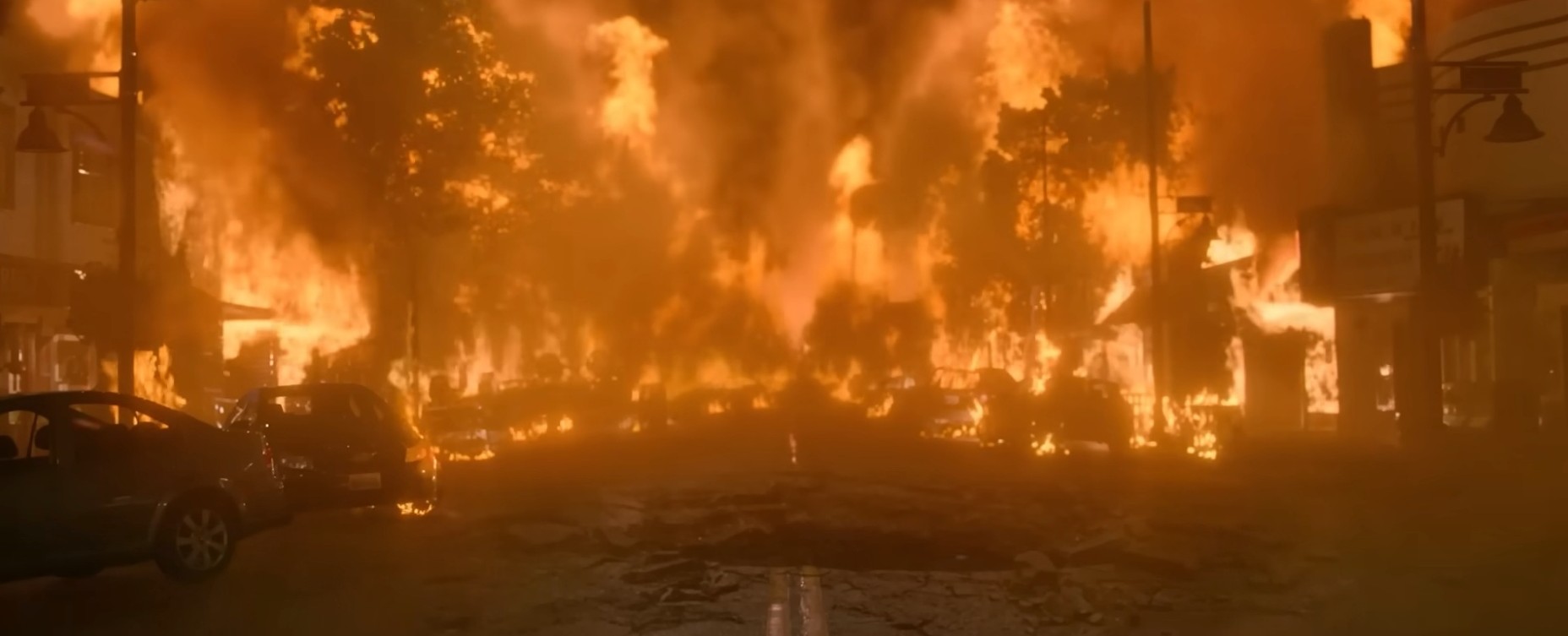
So he knows that Carrie’s sense of isolation, the form of Sue’s generosity, and the type of prank Carrie’s bullies pull on her in the climax are all hopelessly dated and have to change in order for modern audiences to find the story comprehensible at all. This is all well and good, but, after making so many changes… is the resulting story still Carrie? And if it is, do these changes actually justify producing a “new take” on the story or just a bait-and-switch trading in on a recognizable IP? Swapping out pig’s blood for a viral video doesn’t seem very cinematically compelling to me, especially stretched across eight episodes of a miniseries.
I certainly don’t rule out the possibility that Mr. Flanagan could introduce a new twist to the story to surprise people already familiar with the original book and film adaptation. What if, for example, her psychic powers manifest through the internet? She could terrorize her bullies digitally which could… be… just like Unfriended. Yeah, he’d be remaking Unfriended if he went that route. Well, no matter, maybe he could make Carrie a more outwardly villainous character? She could exert more control over her powers and over time transform from a shy, bullied loner to someone more vengeful and malevolent earlier on in the story? Heck, you could even give one of her classmates comparable psychic powers to give her an adversarial… oh, wait, that’s just Chronicle. Okay, maybe Flanagan could have her powers get so out-of-control that they overwhelm her and turn her into some kind of monstrosi-ah gawd damn it, this is just Akira! I give up.
How would you try to make Carrie feel original and timely in this day and age? Give me your suggestions in the comments.


Comments
Loading…