
 Steven Prusakowski
Every time I watch Richard Gadd‘s work in Half Man, it evokes so many different thoughts, ones that I simply cannot shake. It keeps me revisiting moments, reassessing character actions and wondering if a few small choices along the way would have changed the fate of Niall and Ruben. Several viewings later, I still don’t have all the answers. And after speaking with Gadd again, it became even clearer that he isn’t interested in providing them. (Watch my full video interview below.)
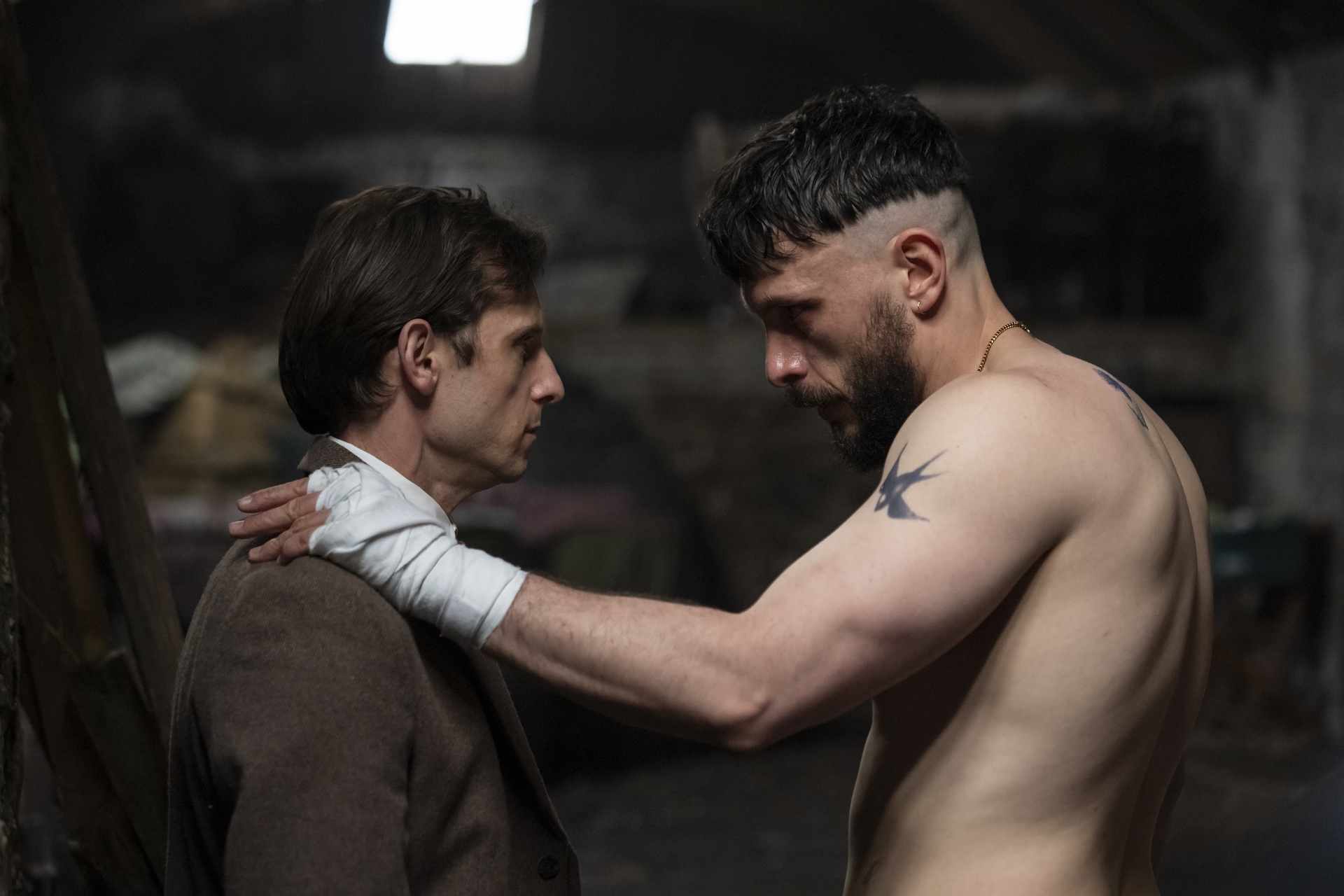
Half Man follows the tumultuous relationship of two “brothers” not related by blood but bound to each other, unable to escape the gravity of the other. The four central performances anchor the limited series. Gadd, who also created and wrote the show, delivers a ferocious adult Ruben opposite Jamie Bell‘s fractured Niall. Meanwhile, young Ruben (Stuart Campbell) and young Niall (Mitchell Robertson) lay the foundation through raw flashbacks that fill in some of the many puzzle pieces of their lives.
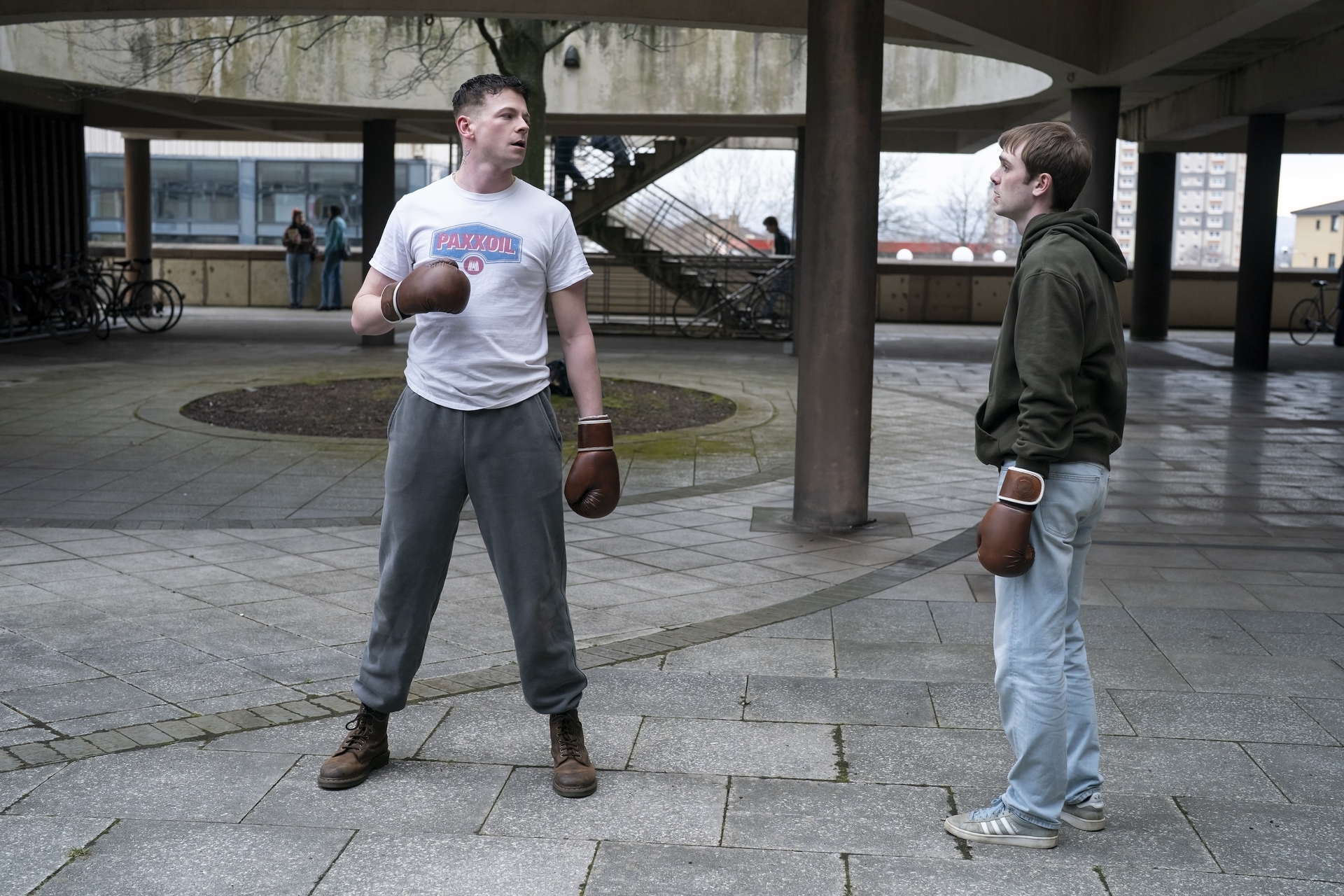
The series hits hard and early with all the impact of a car crash, and when all is said and done, the effect it leaves doesn’t fade anytime soon. It’s a human puzzle of sorts, one that is not easily solved, and perhaps is not meant to be. It shifts back and forth through time, allowing us to witness not only the collision that brings Niall and Ruben to where they ultimately end up, but also some of the broken paths that led them there. Yet what fully made them remains untold, with parts of their road map intentionally left unfilled.
Gadd has spoken about the series’ many facets, including male repression, trauma, toxic relationships, and the unstoppable pull of this brotherly bond, while still allowing viewers to dissect it as they may. That openness to the series extends to the entire creative process.
The commitment to bringing Ruben and Niall’s story to life demanded nearly everything from him. The physical and mental strain of writing, then embodying Ruben while also showrunning took a toll on Gadd. “Baby Reindeer took four years to do and it was about four hours of television. Half Man was six hours on average and it was two years to do,” shared Gadd. “I dived straight into it the second Baby Reindeer was out… getting into shape for Ruben… it was a 24/7 job… I never switched off… I’m exhausted. I need to take a beat.”
That same all-consuming dedication carried over into his writing. Gadd knows exactly what he wanted to explore, but he deliberately resists steering audiences toward a lone interpretation. “I never really aim… I always think I need to try and dig deep into the subject matter with no agenda,” he explained. “I prefer work which leaves you with questions afterwards. I know what I was trying to say about the state of male repression and male violence and male rage, but I would never want to make it too obvious. I’ve had so many myriad responses. What people take from it is more important.”
That ambiguity is part of the characters themselves, which is something Gadd finds more of in them after watching the series so many times. “When I watched it back more I started to see that it was more internal and it’s these barriers that they put up for themselves,” he said. “It’s important as a writer to try to sympathize with every single character. By the end you don’t really know who the most toxic brother is. I always just try to lean into the character’s genuine struggles.”
Gadd wonders whether the pair were ever destined to end this way or whether a few moments of vulnerability might have changed everything. “You wonder, was there an off-ramp?… They’re on this path to destruction and was there a way that they could have, you know, a hug here, a conversation there… a much happier ending than what they’ve got?… I think if they had, when they were kids, a lot of things would have been a lot better for them. I think if they expressed the vulnerability… I think that would have led to a phenomenal peace in their lives.”
The response from audiences differs from person to person. “I get such a myriad of opinions,” Gadd said. “What has struck me most is the amount of people who’ve said that they’ve had a Ruben in their lives… they felt a phenomenal amount of fear for, but also this kind of odd respect, almost adoration, almost love.”
Almost love.
It’s perhaps the central question lingering over Half Man. Do Niall and Ruben love each other or are they just filling a void? (This is a question I asked of Bell and Robertson as well.)
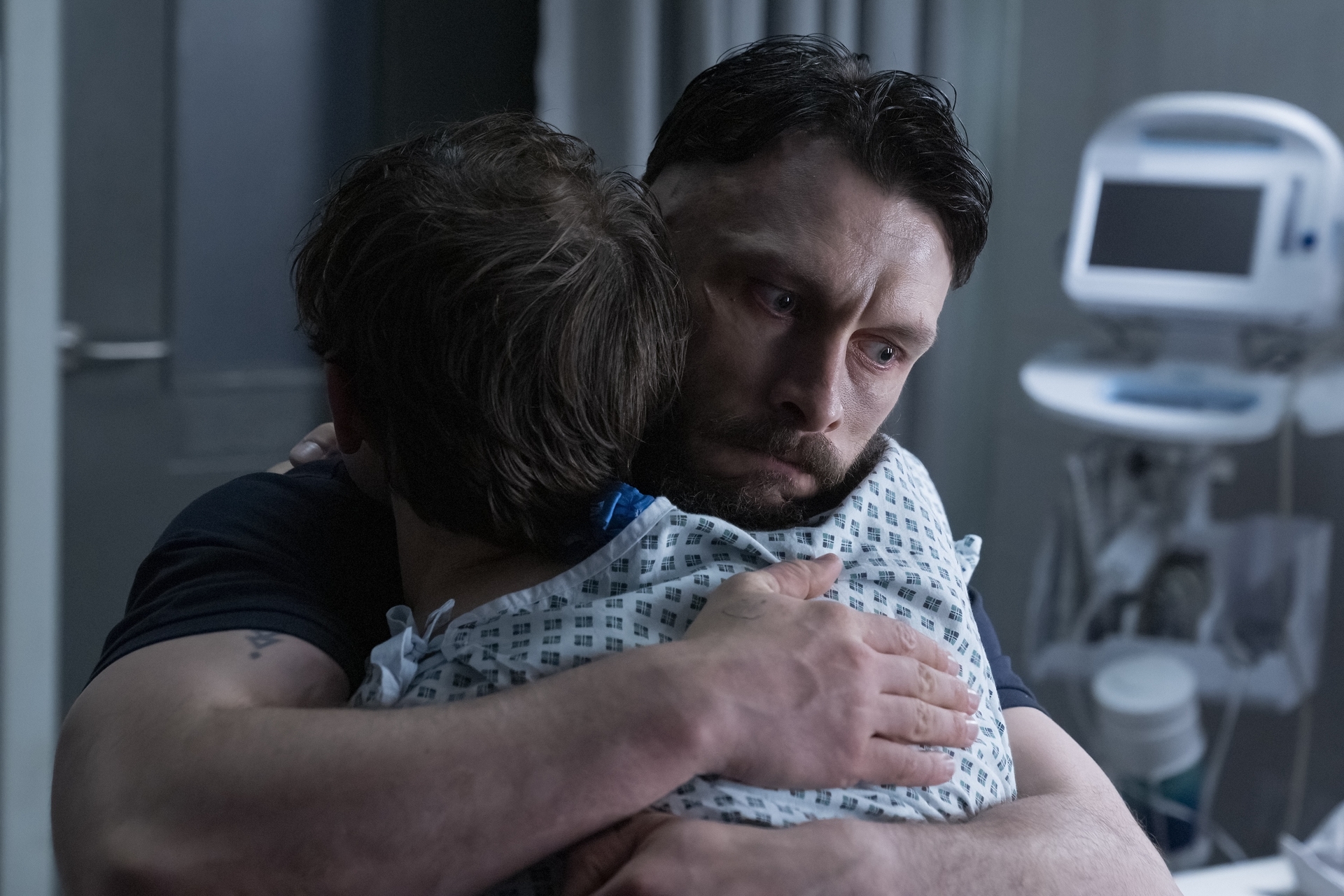
For much of the series and its discussion I am not sure if Gadd never outright defines it. But in the end, when asked whether the two men love each other, Gadd answered surprisingly directly.
“I think it’s certainly love,” declared Gadd. “It’s always love to the point where they almost can’t explain it themselves. It’s almost like a transcendental kind of love… it’s from a very, very deep place and it’s deeply complicated. I think it is filling a void… the other person completes the other one for better or for worse. It is love, but it’s also that kind of toxic kind of love, which comes from a place of deep insecurity.”
Love or not, Gadd leaves us with plenty more to process and discuss. It’s only one piece of their decades-long, complicated journey.
Watch Half Man in its entirety on HBO Max and the full conversation with Richard Gadd below.


Comments
Loading…