

 Robert Hamer
So, we recently saw the theatrical release of Die My Love, which Joey loved but has also been attracting divided reactions and debate from those who’ve seen it. I don’t really want to discuss the movie itself, but rather its place among an unusual swell of movies like it that have emerged in recent years. And when I say, “movies like it,” I mean films that portray motherhood in a particularly harrowing light; that suggest being a mom, rather than the soul-affirming destiny of all women everywhere, can actually be a severely mentally, physically, and spiritually draining experience that often outright breaks women.
Within just the last five years, we’ve seen the release of If I Had Legs I’d Kick You, Nightbitch, Witches, A Mouthful of Air, The Lost Daughter, and Baby Ruby. Expanding out another five years gets us Tully and Saint Frances. All of them are either unflinching depictions of post-partum depression, maternal regret, or the unrelenting grind of motherhood. Almost all of them depict their male partners as, at best, well-meaning but ineffective co-parents. And it’s weird to me that this isn’t attracting much attention from the same people who made the existence of more racial minorities in Disney movies a national scandal, despite the fact that declining birthrates have become a cause célèbre on both sides of the political spectrum. Of all the times Hollywood has been accused of putting out “propaganda,” now is the time when the right is falling asleep on what has been a very apparent message from the entertainment industry?
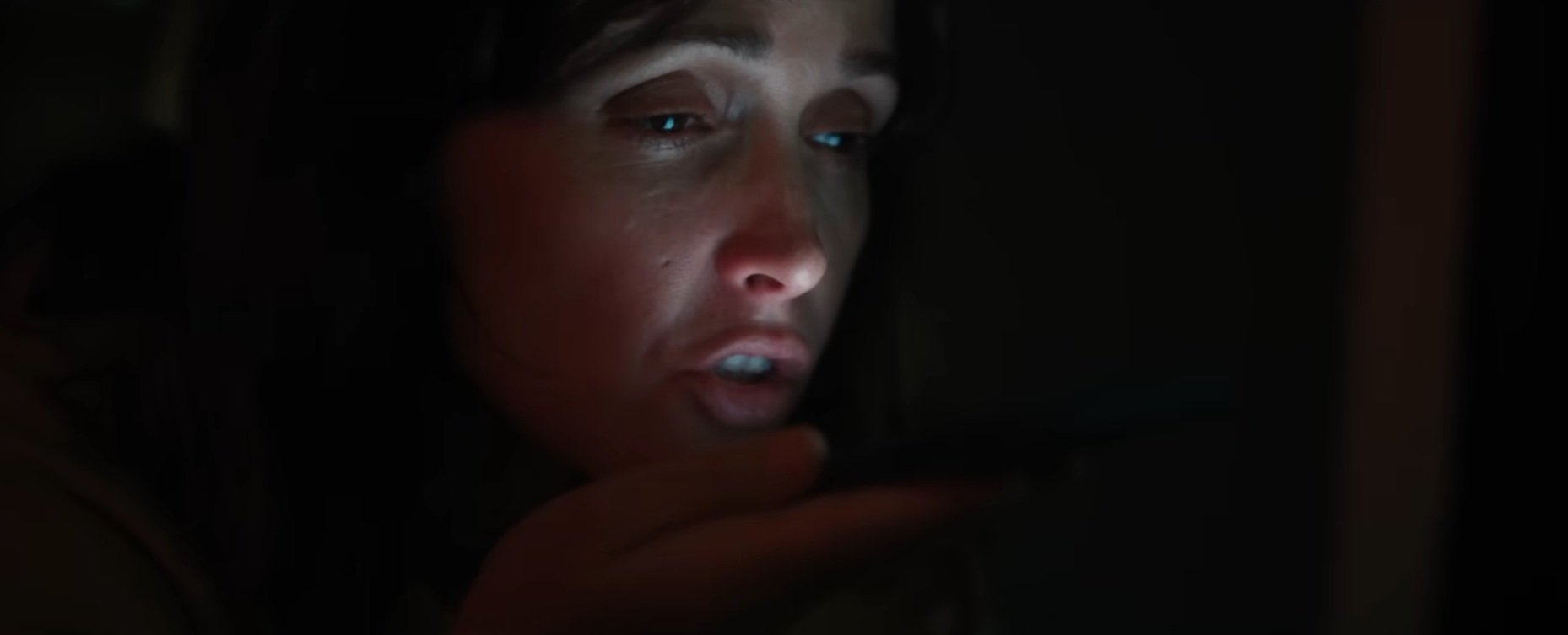
It’s not worthwhile to just say they all coalesce around the message “motherhood bad,” of course. For one thing, it’s inaccurate: Tully, Nightbitch, and The Lost Daughter all conclude with their protagonists ultimately being at peace with their parental identities. But they all share common traits worth commenting on. For example, how many of the women at the center of these movies had to put their careers and goals on hold to take on the primary caretaker responsibilities. Linda is a therapist who had to scale back her practice to take care of her daughter for the sake of preserving the career of her husband, who travels frequently for his job and has to leave them alone for months at a time. Die My Love’s Grace used to be a writer, Nightbitch’s Mother was an artist, and Baby Ruby’s Jo was a social media influencer. These jobs aren’t part of the soulless “Corporate Rat Race,” as most “tradwife” grifters love to portray as the dark fate women should reject in favor of being financially-dependent stay-at-home mothers. These are jobs with flexibility and autonomy. They’re soul-affirming and can be sustainable if you’re part of a two-income coupling. But in these movies, as in real life, the woman is very often the one in the family expected to put her professional ambitions on hold for her children. For women in the “Corporate Rat Race,” things are bleak for expectant mothers in the United States.
This is not to suggest that these movies always portray the mothers as faultless saints whose miseries are solely due to the wages of patriarchy. The Lost Daughter’s Leda is just a neglectful mother who probably should have just been honest with herself and admitted that parenting was not really something she ever wanted. Sometimes – as is the case with Grace, Jo, A Mouthful of Air’s Julie, and Saint Frances’s Maya – the culprit is mental illness. Postpartum depression afflicts roughly one in every eight new mothers nationally, and of those, only about half of them are estimated to be proactively diagnosed by a medical professional. Luckily, the postpartum psychosis suffered by Grace is estimated to occur only in about 0.1% of all live births, but it does happen, and the rarity of the condition makes it difficult for most professionals to effectively treat. And even when they do effectively treat it, the price is high: anywhere from $500 to $2,000 per day in Montana, where Die My Love is set. That’s not exactly disposable income for the average rural family up there, and these services are not exactly expanding in availability or affordability any time soon.
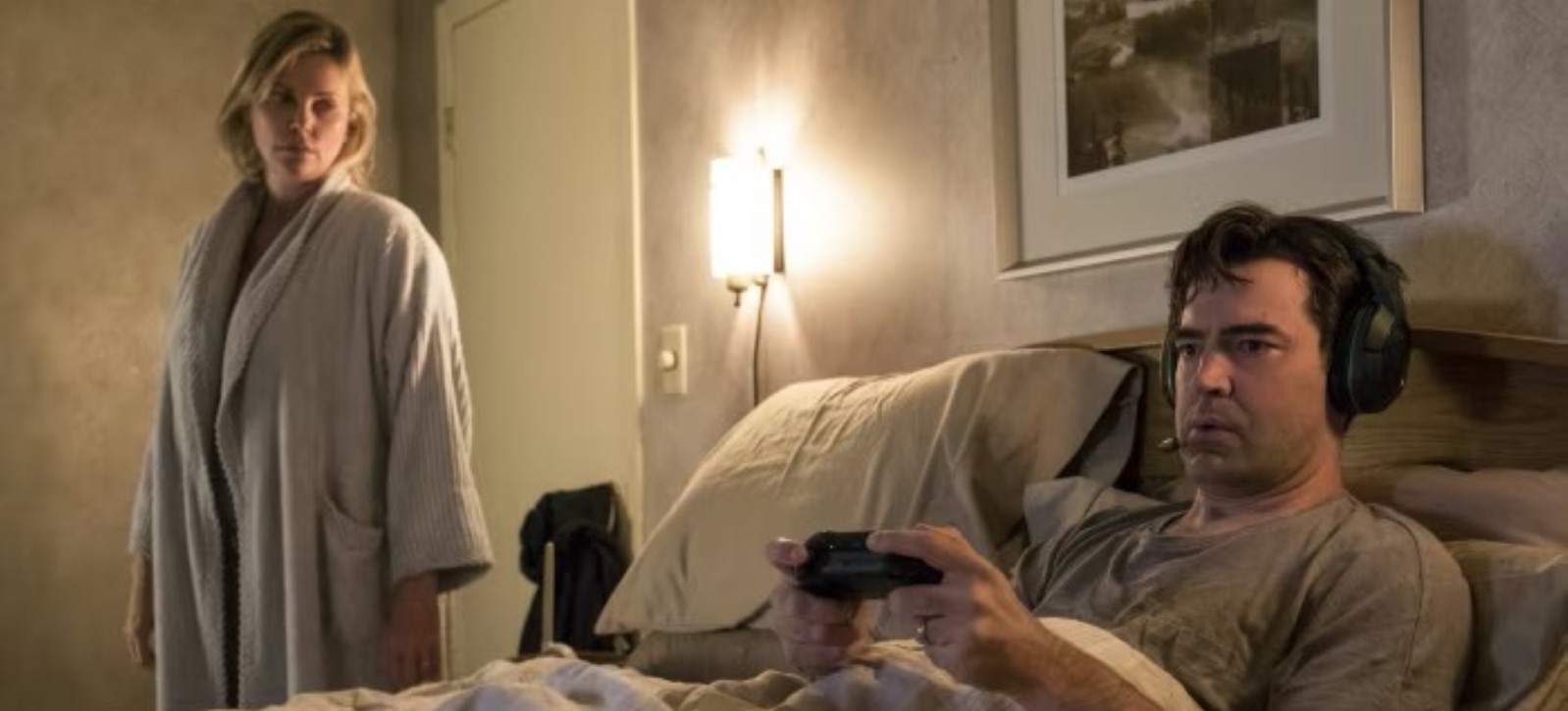
But I guess, after leaving Grace alone (and probably screwing around on her when he’s on the road) and getting her an insufferable dog to take care of when she specifically wanted to get a cat to help with the rat problem in their dilapidated house, fronting the cash for some mental health treatment is probably the least Jackson could do for her. As well as actually fixing up the house he upended her life in New York to move into. Charles and Husband also do not split the workload of parenting evenly, deciding it’s more helpful to criticize their wives for not approaching their daunting responsibilities with more of a chipper attitude. Tully’s Drew, at least, seems merely clueless and by the denouement commits to do more to help Marlo with parenting three kids, one of whom is special needs requiring more dedicated attention. Men benefit tremendously from becoming fathers in their careers, while for women, it is seen as a liability, even when, statistically, the men do comparatively less work to actually manage a household of children than their wives (who, it must be repeated, become less employable as a result of also becoming parents). But I suppose it’s not entirely the fault of new dads, since the United States FMLA only allows for 12 weeks unpaid, which are not even taken by most men since they worry doing so will hurt their careers.
But in many of these movies, the mother is very isolated. And motherhood is made to feel isolating these days. Because in the modern world, it is. Twas not always the case. Parenting used to not only be a shared responsibility, but a collective one in old societies. All of society would ensure mothers had what they needed in their day-to-day responsibilities, and before a certain person set us on the path to dismantling them, United States laws were in place that supported new families and their financial and labor needs in the postwar era. It is interesting that these movies usually have at least one uncomfortable scene where the main character is in a social setting with other young mothers and very awkwardly dance around the reality that even when they are together at a birthday party or a playdate, they somehow still have to be alone. None of them talk about collectivizing or pooling their efforts together. It’s all just small talk and avoiding the raw deal modern society sold them. It is a derangement to pretend this is sustainable or healthy for women.
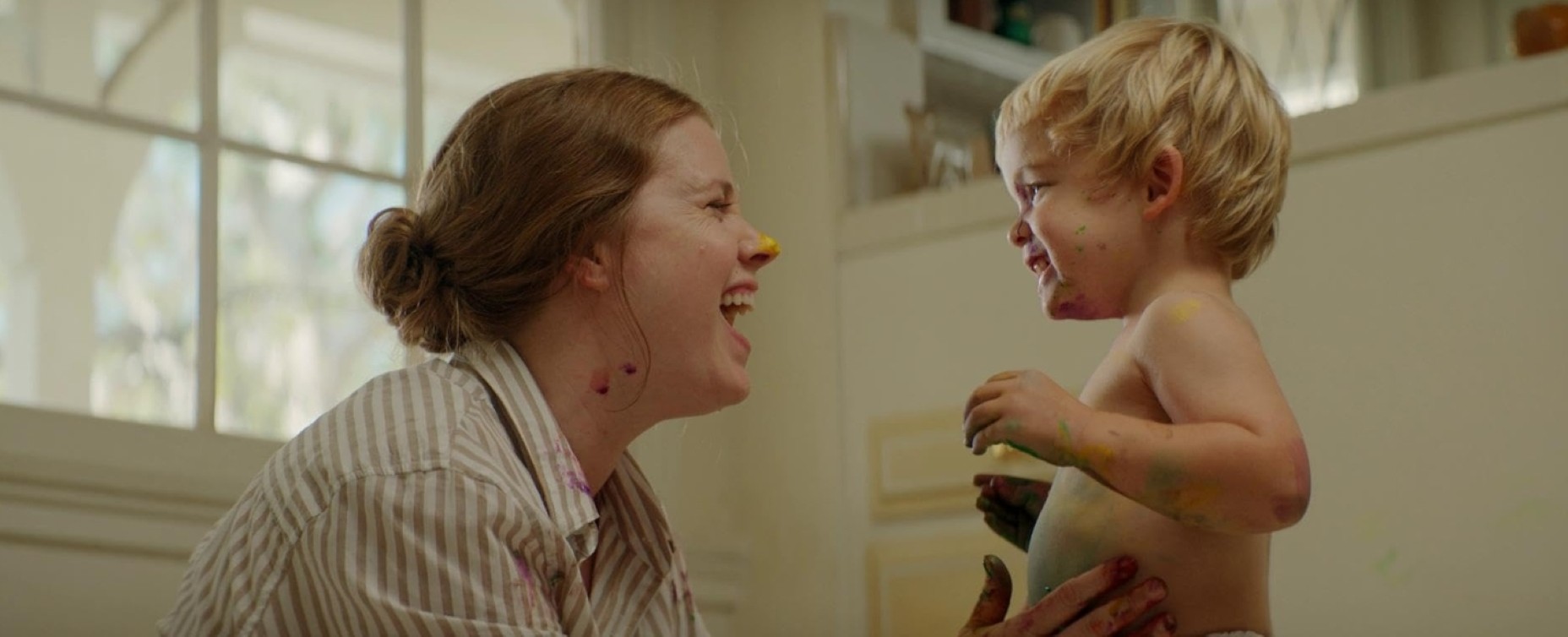
These movies are, right now, a reflection of all the ways being a mother sucks these days. Maybe if the pronatalism weirdos were amenable to the potential for these movies to shape what motherhood should be, the population apocalypse they keep freaking out over might be avoided.


Comments
Loading…