
 Robert Hamer
Congratulations to Sebastian Stan on his first Academy Award nomination! He has come a long way since his breakout role as Bucky Barnes in the Marvel Cinematic Universe, and his achievement here caps off a stellar year for him. His fans are understandably happy to see his success here with a role that posed quite a risk to his career, but a not-insubstantial number of them have levied the interesting complaint that he was nominated for the… wrong role?
Playing our 45th and 47th President was not Sebastian Stan’s only acclaimed performance in 2024. He was also lauded by many critics – including our own Joey Magidson – for his portrayal of a struggling actor who undergoes experimental treatments to cure his neurofibromatosis, with unexpected consequences for his life, in the dark comedy A Different Man. Weird that an actor can give not one, but two very well-received performances in one year and manage to get an Academy Award nomination for the one debated as possibly the weaker of the two, huh?
Actually, it’s more common than you think. Just ask these nominated performers listed below, who enjoyed prodigious single years and got Oscar-nominated for the “wrong” role for their efforts…
… okay, so before I dive into the top ten, I want to add a quick caveat that I am going take a strict interpretation of the title and only consider performances from the same person that were nominated over a more deserving one in the same year. So while I do not necessarily disagree with those of you who believe Greer Garson should have won the 15th Best Actress Oscar for Random Harvest instead of Mrs. Miniver, and while I definitely agree that Alicia Vikander would have been a far more justifiable 88th Best Supporting Actress Oscar winner for Ex Machina instead of The Danish Girl, since they ended up with a statuette, I did not consider them for my top ten.
Some Honorable Mentions who just missed the cut include:
• Ingrid Bergman’s Best Lead Actress nomination for For Whom the Bell Tolls instead of Casablanca in 1944
• Marion Cotillard’s Best Lead Actress nomination for Two Days, One Night instead of The Immigrant in 2015
• James Dean’s Best Lead Actor nomination for East of Eden instead of Rebel without a Cause in 1956
• Isabelle Huppert’s Best Lead Actress nomination for Elle instead of Things to Come in 2017
• Basil Rathbone’s Best Supporting Actor nomination for If I Were King instead of The Adventures of Robin Hood in 1939
With that out of the way, let’s get to it:
10) Madeline Kahn, Best Supporting Actress Nominee 1975

Nominated For: Blazing Saddles
Should Have Been For: Young Frankenstein
Who doesn’t adore Madeline Kahn? One of the funniest screen performers of the 1970s, who was already nominated for her amusing portrayal of Trixie “Winky Tink!” Delight in Paper Moon, received her second and final Best Supporting Actress nomination for her hysterical parody of Old Hollywood seductress archetypes in Blazing Saddles. She would have been a preferable winner that year (not a terribly bold statement to make, since the actual winner literally apologized and admitted she didn’t deserve it in her acceptance speech). But I would have been happier if she was cited for another Mel Brooks comedy released in 1974: Young Frankenstein, where she delights as Dr. Frederick Frankenstein’s fiancée who falls head-over-heels for his reanimated undead creation.
Both are comedic triumphs, but I give the edge to her work in the latter film. Not only do I prefer Young Frankenstein to Blazing Saddles as a movie, but also, there isn’t that much to Lili Von Shtupp. She’s a caricature of Marlene Dietrich, and while it’s very funny to see her lampoon that kind of performance style, Elizabeth is a more fully-realized character and having to be persuasive selling jokes that could have easily tipped into Yikes! territory in less capable hands. Elizabeth is just as silly a character as Lili, but somehow still manages fit in perfectly with the more emotionally earnest beats of Young Frankenstein, which should have been the deciding factor in the minds of voters that year.
9) Spencer Tracy, Best Lead Actor Nominee 1951

Nominated For: Father of the Bride
Should Have Been For: Adam’s Rib
Spencer Tracy, much like fellow consecutive two-time Best Lead Actor Academy Award winner Tom Hanks, is an actor I don’t have much use for during his heyday, but delivered truly amazing performances as an older man embracing the “Dad” phase of his career. No complaints about him being recognized for his performance as the flustered father of a daughter rushing into an impulsive marriage in Vincente Minnelli’s Father of the Bride. It leans into all of his late-stage strengths opposite Elizabeth Taylor. But his strengths were flexed more thoroughly, and tasked with playing off of one of the only Hollywood Grand Dames from that era one could conclusively declare was an even more commanding screen presence, in Adam’s Rib.
Katherine Hepburn and Spencer Tracy, a true Hollywood “power couple” if ever there was one, appeared together in nine movies. The industry, and audiences, loved seeing these two play off of each other. I would argue George Cukor’s courtroom farce represented the best of them as a pair. They both pull off a delightful two-hander that allows them opportunities to display the most iconic elements of their star personas while challenging and stretching each other’s talents in ways that are a funny, sexy, and even touching flex of top-notch on-screen chemistry. What a shame that performances succeeding precisely because they fit so perfectly with their co-star aren’t recognized as Great Acting nearly as often as they should be.
8) Robert Redford, Best Lead Actor Nominee 1974

Nominated For: The Sting
Should Have Been For: The Way We Were
Robert Redford was one of those actors who was so ridiculously good-looking and charismatic that the movies he starred in would, more or less, just coast on that easygoing charm to appeal to audiences. Doubly so if he paired up with equally-ridiculously-good-looking Paul Newman, which is basically why George Roy Hill’s Butch Cassidy and the Sundance Kid was such a hit, and a big reason why their re-teaming for The Sting was an even bigger one. The latter movie netted him the only competitive acting nomination of his career for being his usual charming, effortlessly charismatic ladykiller self. Which works for a skilled conman character, but… I feel like Oscar nominations for these kinds of matinée idols should be for roles requiring their star power be used in more unexpected or interesting directions? Like his perennial bromantic co-star Newman in Hud. Was there ever a movie that made a comparable move with Redford in his 30s (besides All the President’s Men, of course)?
As a matter of fact, yes, and while The Way We Were wasn’t as big a box office smash as The Sting, it was still a hit. Because once upon a time, you could release a hit movie centered entirely around a romantic relationship. This one was between a Jewish leftist activist and a privileged white man who doesn’t really have strong political convictions because he knows political outcomes won’t ever affect him personally. Hubbell Gardiner isn’t a bad person, but Redford thoughtfully deploys his star persona to complicate this Man Of Her Dreams. Attractive and kind to her as he is, Hubbell will never be compatible with Katie because he is someone who benefits from the inequality she is willing to take risks to upend. Women fell in love with Redford at the beginning of the film, as they always do, but thanks to Redford’s performance, also knew Katie was right for leaving him in the end.
7) Hong Chau, Best Supporting Actress Nominee 2023
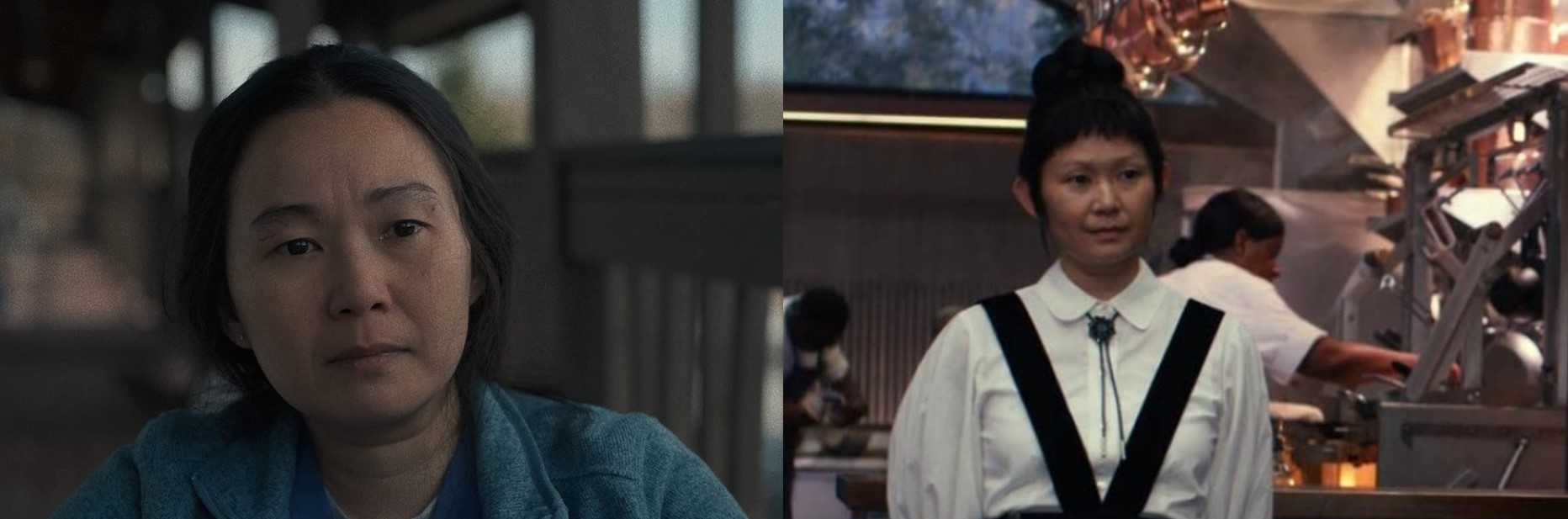
Nominated For: The Whale
Should Have Been For: The Menu
So I’ll say this in favor Hong Chau’s performance as Charlie’s guilt-ridden caregiver/enabler Liz: she is easily the best thing in a film I otherwise found intolerable. The Whale was the worst cinematic experience I suffered through in 2022; a relentless, tedious exercise in exploitative tragedy porn hobbled by a script displaying the most insufferable aspects of stage-bound storytelling. While none of the performers – no, not even Oscar-winning Brendan Fraser – fully succeed in finding their way through such an overdirected and overwritten farrago in my eyes, Chau comes the closest to etching out a credible characterization. Liz, as written, often doesn’t make a lot of sense. But Chau’s intense, no-nonsense approach at least tries to give her a complex dimension that occasionally feints at a richer character study in the sea of Evil Daughters and Harpy Ex-Wives. Not nomination-worthy, perhaps, but if you forced me to give this awful movie just one, I’d say her name without hesitation.
But then there’s her performance in The Menu:
[Chau] is fantastic in The Menu; a perfect alchemical synthesis of both the horror and humor of Seth Reiss and Will Tracy’s black-hearted script, despite very few scenes of her being the actual center of attention. Most of her screen time is in the background as this uncanny little enforcer of order throughout the sadistic dining experience masterminded by a boss she’s borderline religiously devoted to, and even at the far edges of the frame, her very presence manages to constantly set you on edge. Plus, the way she said “tore-tee-yas!” gave me the biggest laugh of 2022.
6) Leonardo DiCaprio, Best Lead Actor Nominee 2007
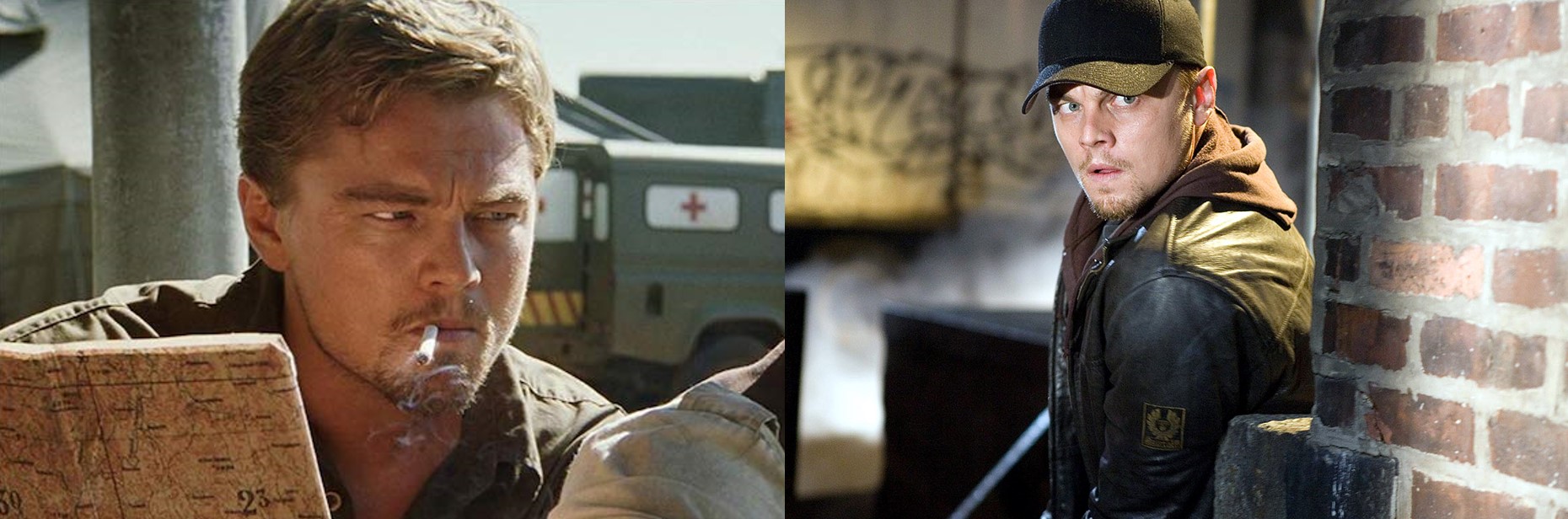
Nominated For: Blood Diamond
Should Have Been For: The Departed
Those of you who have read me for a while know that I am not, exactly, the biggest fan of Leonardo DiCaprio. And no, it’s not because of his creepy habit of losing interest in women he’s dating the moment they’ve been alive for longer than a quarter-century. Nor is it because he fits into that annoying mold of back-patting climate activist celebrities who think putting on glitzy fundraisers is more impactful than just shutting the hell up and paying their taxes. No, he annoys me because he often strikes me as a selfish performer. So many of his choices of roles and acting decisions on screen seem primarily concerned with showcasing him, giving him maximum space for his “Oscar clips” with little regard to his co-stars. This frustrates me, since such ostentatious show-your-work approaches to acting can actively detract from the rest of the ensemble, which is, unfortunately, exactly what happened in Blood Diamond, one of Edward Zwick’s many White Savior fantasies masquerading as a polemic. He brings out all the predicable notes of an arc anyone can spot a mile away with the fussiest acting choices stacked on a, let’s just say… wobbly South African accent.
What’s worse is that he not only doesn’t do this in The Departed, his portrayal of the paranoid and emotionally raw undercover detective Billy Costigan arguably represents the peak of his dramatic talents. More than any other movie I can recall, his self-conscious physical tics and overly-mannered expressions were deployed here as shrewd, even subtle, character beats from a protagonist buckling under the pressure of his deadly game of deception in his most wholly successful collaboration with Martin Scorsese. This achievement, rather than “Look At Me!” attention-seeking, would have been far preferable as a nominee and would have been a very justifiable winner overall. In a cruel irony, one of the reasons he got in for Blood Diamond instead of The Departed is because he refused to fraudulently campaign against his actual supporting co-stars in the latter film, leading Warner Bros. to decline a campaign for him at all. His own welcome act of generosity towards his fellow actors actually penalized him.
5) Patricia Clarkson, Best Supporting Actress Nominee 2004
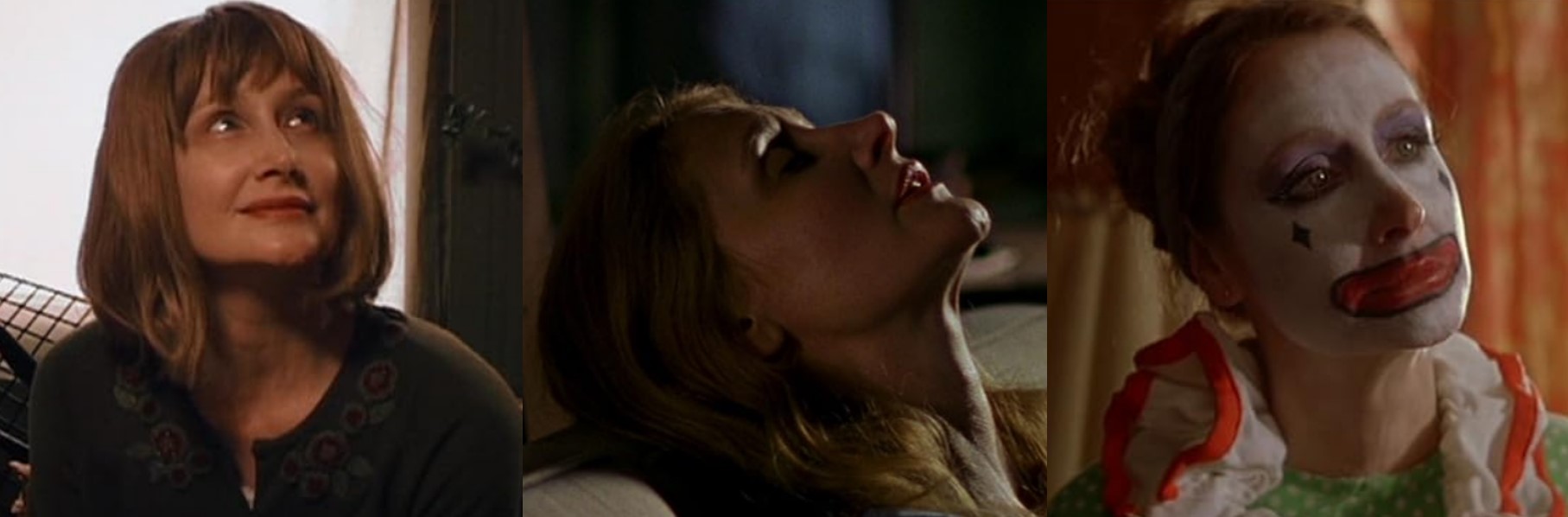
Nominated For: Pieces of April
Should Have Been For: The Station Agent or All the Real Girls
Now, here is a rare situation: a performer with not one, not two, but three screen performances that got a lot of attention, and somehow the weakest of those three beats the odds and snags the nomination. Like The Whale, Pieces of April sucks as a movie. It’s the kind of amateur-hour Thanksgiving dramedy whose aimless plot detours and repulsive visual presentation typified why that decade’s indie films had such a maligned reputation. She does her best to salvage a shrill, ridiculous character, but is way more affecting in All the Real Girls as someone who is, perhaps, a cliché on paper – I mean, come on, she’s literally a Sad Struggling Clown™ – but in her hands, makes Elvira actually believable and layered without the need for the kind of easy pathos layered on by Peter Hedges in his near-unwatchable dud. Her tearful breakdown in front of her son could have easily descended into grating melodrama, but feels earned in Clarkson and director David Gordon Green’s hands.
Oh, and there’s also her even better performance in The Station Agent! It’s mainly, and perhaps correctly, remembered today as the debut performance of the man who would later go on to achieve fame and renown portraying Tyrion Lannister. But her portrayal of a grieving artist presents the most dramatically compelling challenge to Fin’s comfortable solitude, with Clarkson not trying to soften an often exasperating woman but always, via her warm expressions in the spaces between her outbursts of raw emotion and pain, making her a deeply human one who we and Fin can’t help but remain invested in.
4) Harvey Keitel, Best Supporting Actor Nominee 1992
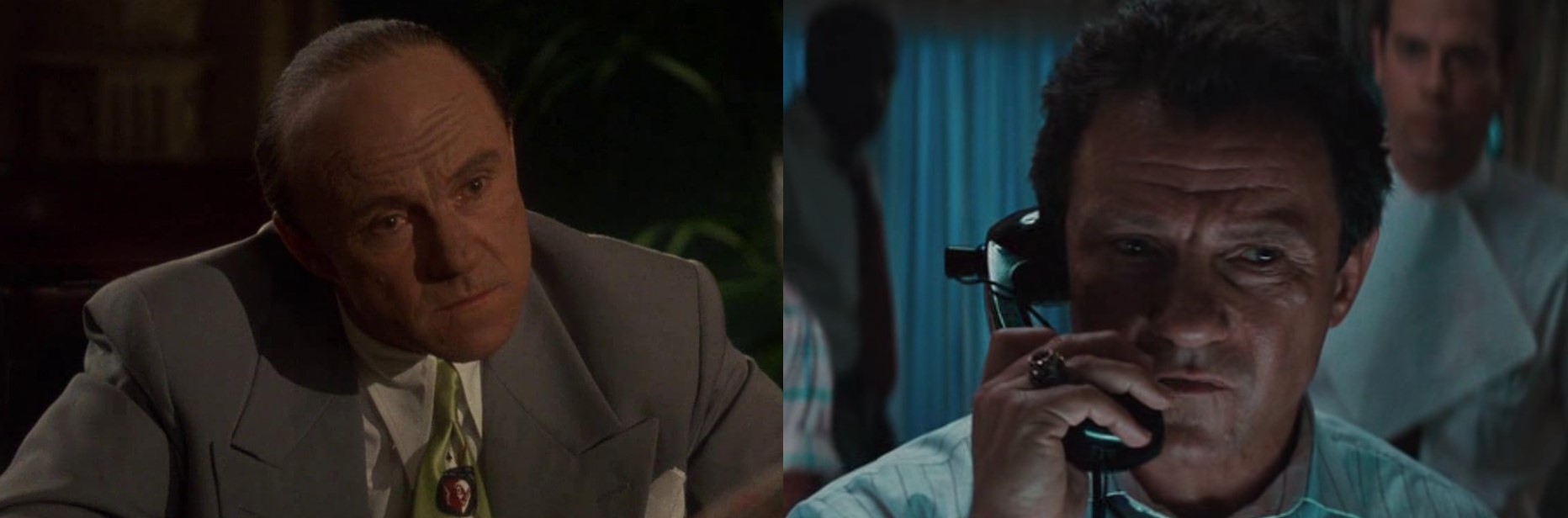
Nominated For: Bugsy
Should Have Been For: Thelma & Louise
Did you know Harvey Keitel has only been nominated for an Academy Award once? This is incredibly weird to me. Here is a man who was right in the center of the New Hollywood Movement, taking over the movie industry so dominantly that it led to The Counterculture becoming The Culture in the late 60s and most of the 1970s. This eventually resulted in lots of Oscars for the performers in that movement: Robert De Niro, Al Pacino, Jack Nicholson, Dustin Hoffman, Gene Hackman, and Jon Voight were all notable New Hollywood actors and they all have Academy Awards to show for it. But Keitel was right there with them, appearing in some of the most iconic Scorsese movies and steadily working in the five decades since. He’s worked with Oscar-winning filmmakers like Quentin Tarantino, Wes Anderson, Jane Campion, and Spike Lee. And yet, only one nomination for Best Supporting Actor. Just one.
And they didn’t even get that right! He’s… serviceable, if not exactly original, as the aggressive and ambitious gangster Mickey Cohen in Barry Levinson’s lavish crime epic Bugsy. But he was much more deserving of recognition as the sympathetic police detective chasing our eponymous fugitive protagonists in Ridley Scott’s Thelma & Louise. Hal Slocumb is not only a more interesting character, he’s more of a canvas for the understatement and contemplative expressions that Keitel excelled at, but not often called on, to display all that much. Even more heartbreaking? He auditioned for the role of Curly Washburn in City Slickers, which won Jack Palance the Oscar over Keitel’s only nominated role of his entire career that night. What rotten luck…
3) Stanley Tucci, Best Supporting Actor Nominee 2010

Nominated For: The Lovely Bones
Should Have Been For: Julie & Julia
But even when a Hollywood production utilizes an actor’s greatest strengths, the Academy will fumble the ball. Take Stanley Tucci, for instance (huh, now that I think about it, it’s an odd coincidence that both of Olive Penderghast’s parents are on this top ten list…). Despite an acclaimed career as a lovable, relatable everyman-type of actor, whose beaming warmth breathes so much life into small supporting roles in films like Easy A and The Devil Wears Prada, the sole Academy Award nomination he’s received so far was for one of the few kinds of roles he’s bad at. It’s not exactly his fault — The Lovely Bones was so spectacularly misconceived at every level that I have a hard time imagining any actor in any of these roles being able to salvage decent characterizations from it. But good lord, George Harvey is the kind of predator that craven reactionary dopes like Jonathan Haidt and Chris Hansen love to believe are around every corner of America; a comically obvious, mustache-twirling creep who insecure men love to fantasize rescuing women from. He can’t even indulge in an entertaining way because the movie’s tone and dramatic focus doesn’t support it. It’s such an obnoxiously over-the-top portrayal that even Tucci himself disliked it:
And the worst part is that one of his finest hours on screen was right there in the same year for a movie the acting branch had to have watched! Meryl Streep received the overwhelming majority of accolades for Julie & Julia, including a Best Lead Actress nomination that she lost to White Savior Lady, but her depiction of Julia Child’s overbearing personality would have been exhausting to sit through, but for Stanley Tucci serving as the anchoring presence throughout her section of the film. He’s rarely the focus of any given scene, but even in the background, his affectionate disposition calms his co-star and director, giving an otherwise slight and gimmicky film the credibility it needs to make its message about food as a means of connection with other people actually stick. You can always count on him for those in your movies.
2) Barbara Stanwyck, Best Lead Actress Nominee 1942
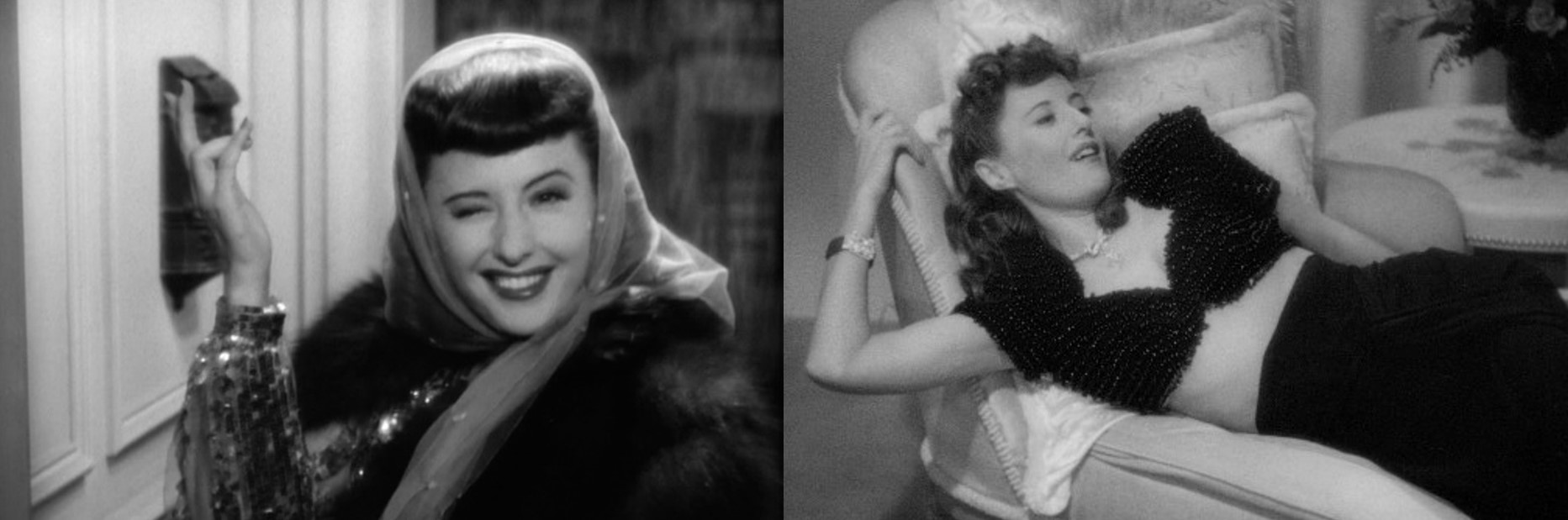
Nominated For: Ball of Fire
Should Have Been For: The Lady Eve
Barbara Stanwyck is my personal favorite actress of the Golden Age of Hollywood. No other woman had the range or consistency that she displayed over and over again through a sixty-year career in television and film. Her shining decade was the 1940s, and while I can’t dispute the many cineastes who lament her lack of a competitive Academy Award (she finally won an Honorary Award in 1982) citing her iconic femme fatale in Double Indemnity as their worst lapse in judgment, I would also point to her losing the 14th Academy Award for Best Actress as another blown opportunity from them to recognize her.
“Ah, you think she deserved it for Ball of Fire?” Well… not really. She’s very good at matching the fast-paced, gangster-flavored screwball comedy vibes of that film as a burlesque-nightclub-dancer-turned-gangster-moll. It’s a broad archetype that could have tempted other actresses to play up as a dummy, but Stanwyck refuses to condescend to Sugarpuss O’Shea even when the film does. So her murmuring protests throughout her forced marriage to Joe Lilac and awkward rapport with her motely crew of professors she takes refuge with all come from a place of sincerity. Here’s the thing, though: all of the things she does well in Ball of Fire, she does even better in The Lady Eve. By several orders of magnitude. Yes, it’s also a better movie – arguably one of the most structurally immaculate comedy screenplays ever written – but Stanwyck makes the writing leap off the screen, with her acerbic intelligence and sexy confidence giving every single zinger and punchline a razor-sharpness. Screwball comedy characters are known for the fast pace of their line deliveries, but few ever pulled them off with the ease Stanwyck did in The Lady Eve, a perfect fit for the wily con artist Jean Harrington. Layering that with her thoughtful arc of cynicism to accidental romantic longing, this performance is her ultimate testament as both a great actress and movie star.
1) Dennis Hopper, Best Supporting Actor Nominee 1987
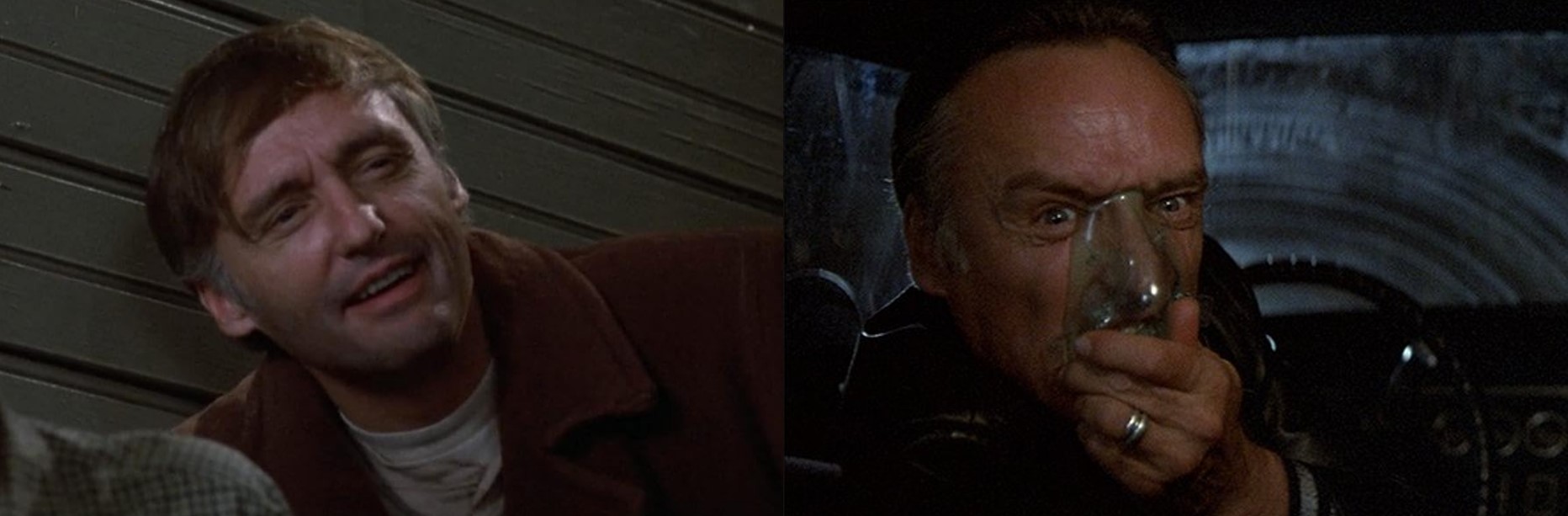
Nominated For: Hoosiers
Should Have Been For: Blue Velvet
I can imagine strong disagreement with every single entry in my top ten list up to this point. I can imagine an angry comment telling me I have no idea what I’m talking about and that I’m completely off-base with Huppert, Chau, DiCaprio, etc. But I cannot even conceive of a situation where someone takes a look at me citing Dennis Hopper as the prime example of “Right Year, Wrong Film” and disagree with me. He is, admittedly, affecting and earnest as Norman Dale’s alcoholic assistant coach in the feel-good sports drama Hoosiers. It’s certainly not a nomination the Academy should be embarrassed by…
… or at least it wouldn’t have been, had he not delivered arguably the most iconic performance of his 55-year career that same year. You all know who I’m talking about. He’s the entitled, unhinged, perverted, sadistic drug kingpin and serial rapist of our nightmares in the late, great David Lynch’s neo-noir thriller Blue Velvet. Frank Booth is not a “subtle” character, and doesn’t call for “subtle” acting. So who better than an actor who was not afraid to dive head-first into B-movie excess to flesh out a true monster within the bizarre alternate dreamworld hiding just below Lynch’s deceptively idyllic neighborhood? To tear into personifying the excessive cruelty animating this nightmare world? His tantrums as intensely terrifying as his bursts of violent rage establish him as an undisputed Luciferian ruler of this Suburban Hell. Even if he had done literally nothing else after Blue Velvet, Hopper would have still been immortalized in pop culture off the back of this one role alone. If that’s not clearly more Oscar nomination-worthy than perfectly decent acting in a nice enough crowdpleaser, what is?
What do you think, readers? Did the Academy get it right with Sebastian Stan in The Apprentice?
Or should they have followed the lead of the Golden Globes and put more of a spotlight on his work in A Different Man?
Let us know in the comments.


Comments
Loading…