
 Joey Magidson
It’s incredibly frustrating to see a good premise done dirty. In some ways, it’s worse than seeing something only average done in an average manner. Here, with The American Society of Magical Negroes, we’re seeing a film that had the potential to be a potent satire instead content to be a limp pretender. Especially coming hot on the heels of American Fiction, which was so cutting and effective in its satirical elements, this movie ends up feeling like it pulls its punches. That would be one issue if the rest of the final product was top tier, but that’s not the case either. There’s a real missed opportunity on display here.
The American Society of Magical Negroes takes a really intriguing starting point and does almost nothing with it. Whatever basic jokes or satirical points you expect to be made, they’re made here, but never built upon. We end up spending more time with a bland romantic story and potential love trial than on the potentially vibrant world being put forth. You keep waiting for the film to lock in and deliver on its promise, but it simply never happens.
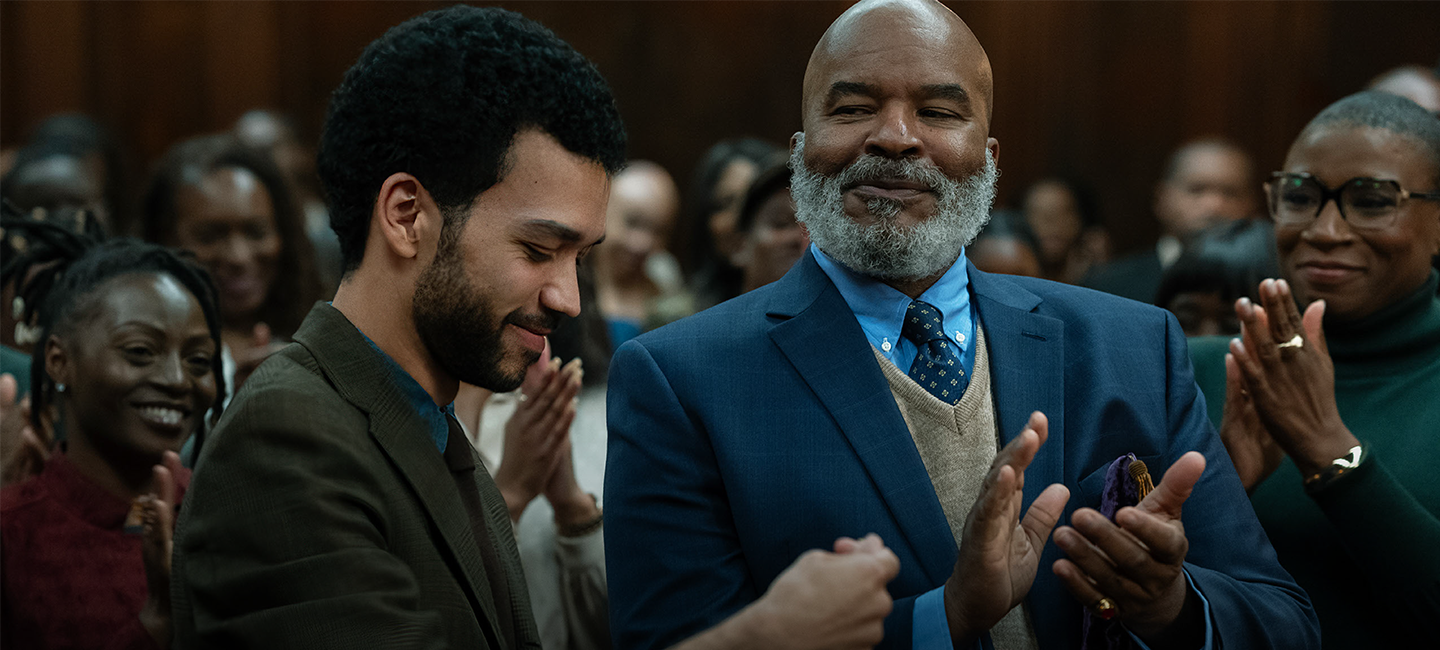
Artist Aren (Justice Smith) is in the aftermath of a poor showing at a gallery when a misunderstanding outside almost ends in violence. Instead, the situation is diffused by Roger (David Alan Grier), whom he saw working the bar at the gallery. Spending some time with him after, Aren is offered a job by Roger. However, he’s not recruiting him to be a bartender. No, he’s pegged him as a potential new employee for a secret society of magical black people, ones who dedicate their lives to a cause of utmost importance to the globe. What might that be? Well, it’s making white people more comfortable.
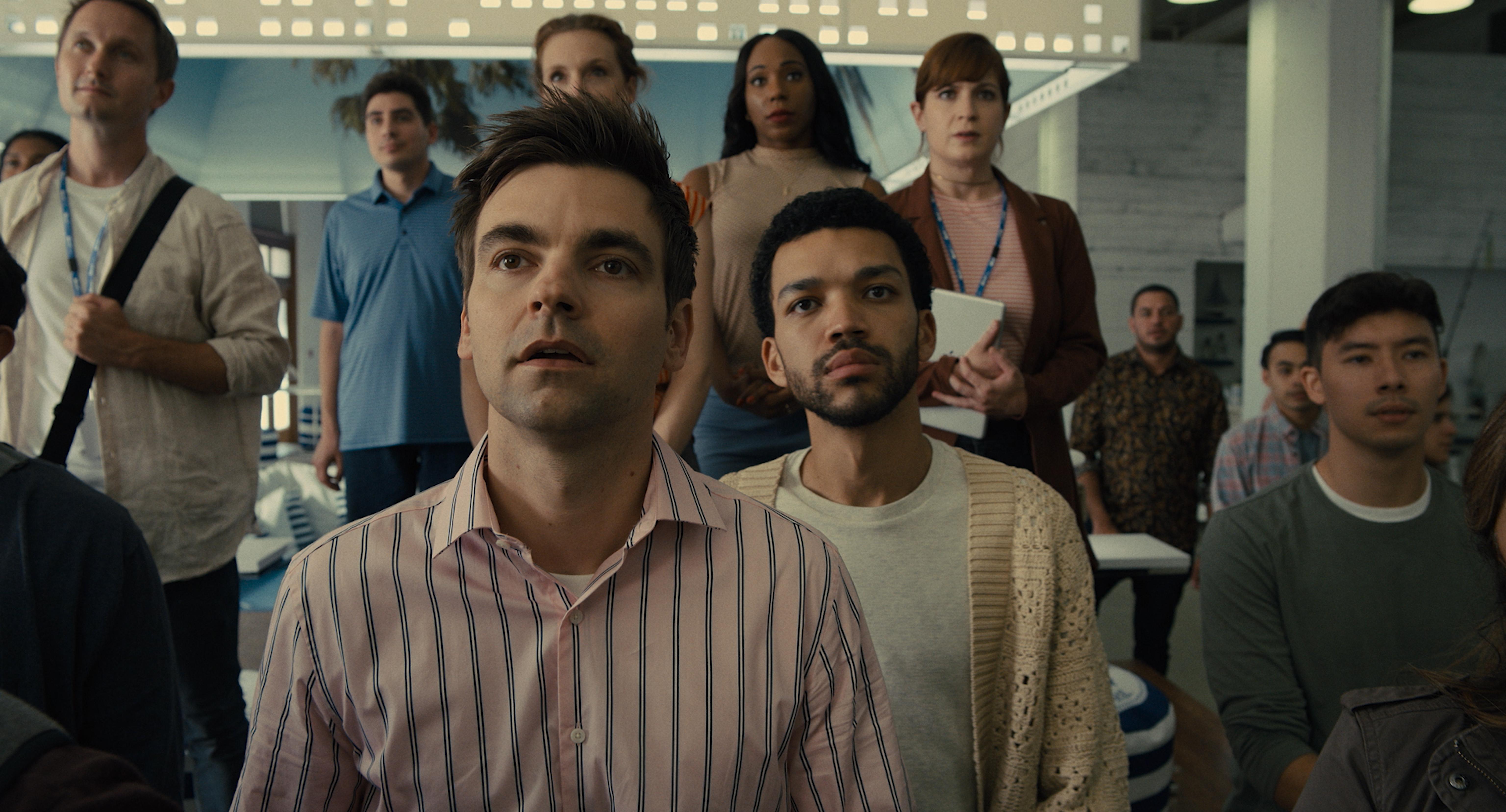
Accepted into their ranks and imbued with magic powers, things initially start of great for Aren. Then, he gets his first assignment, helping out Jason (Drew Tarver) at a trendy tech company. Befriending the fairly innocuous guy isn’t a problem, except he soon realizes that they’re falling for the same person, co-worker Lizzie (An-Li Bogan), whom Aren had a meet cute with before starting the job. Roger informs him that while employees in the society can date, they can’t do anything to upset their clients, or else everyone loses their powers. This leads to Aren not being as enamored with his powers, but questioning the value of the assignment in the first place.

Justice Smith does what he can here, but up until an out of the blue third act monologue, he’s given too passive of a character to play. Smith is a likable actor, but there’s no meat on this bones. David Alan Grier is nearly wasted, too, leaving only An-Li Bogan as a highlight. Bogan has a spark to her, but it leads to more of a friend chemistry with Smith. The romantic vibes never feel earned. Jason Tarver doesn’t leave any impression, nor do the supporting players, which include Nicole Byer, Rupert Friend, and Michaela Watkins, among others.
Filmmaker Kobi Libii has a hell of an idea to play with here, but you’ll wish he played with it more. That’s what frustrates so with The American Society of Magical Negroes, knowing that Libii could build on what’s here. That just never happens. The scenes showcasing the society in action are skewering movie scenes that utilize the trope, but there’s nothing more than what we’ve already seen. In some ways, the work has nothing to say, which is wild considering the satire at play. There’s also way too much focus on a weak romance that never captures your interest. The ending is a little fun, but also, frankly, pretty unearned. So much here hints at better that it actually becomes incredibly frustrating to witness.
The American Society of Magical Negroes let me down in a big way. It’s not even that the film is bad, but that it should be so much better, instead of being merely average, at best. In some ways, this is the first draft of a great flick. That we won’t get to see that ultimate triumph is a shame, especially since you can see it around the margins of this otherwise forgettable satire. Alas.
SCORE: ★★1/2


Comments
Loading…