

 Joey Magidson
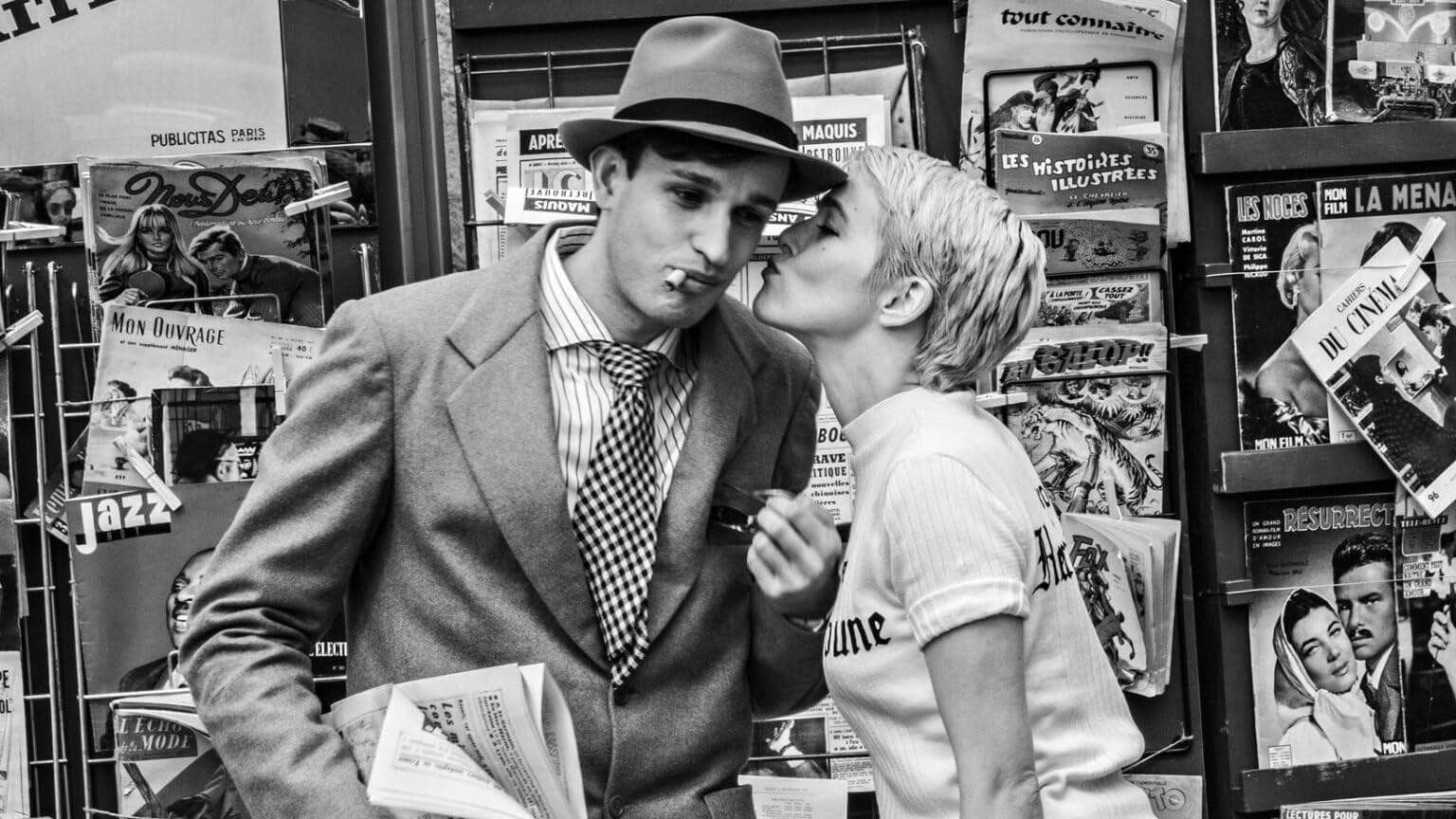
One of the absolute most exciting times in cinema history was the onset of the French New Wave. The art film movement in the 1950s in France launched a ton of the medium’s best filmmakers. For Nouvelle Vague, Richard Linklater zeroes in on the making of one particular movie by one particular director, though a ton are referenced. In taking the creation of Breathless and depicting it with his signature hangout style, Linklater has made a film love letter that’s incredibly enjoyable for all involved. Playing at the Toronto International Film Festival, it’s a real winner.
Nouvelle Vague is so much fun, full of charm, as well as always feeling deeply researched. Linklater knows his stuff, that much is clear, but he’s also making another, at its core, hangout movie. It’s done in such a way that you don’t need to know too much about Breathless in order to enjoy the flick, though the more you know, the more you’ll appreciate what Linklater is pulling off.
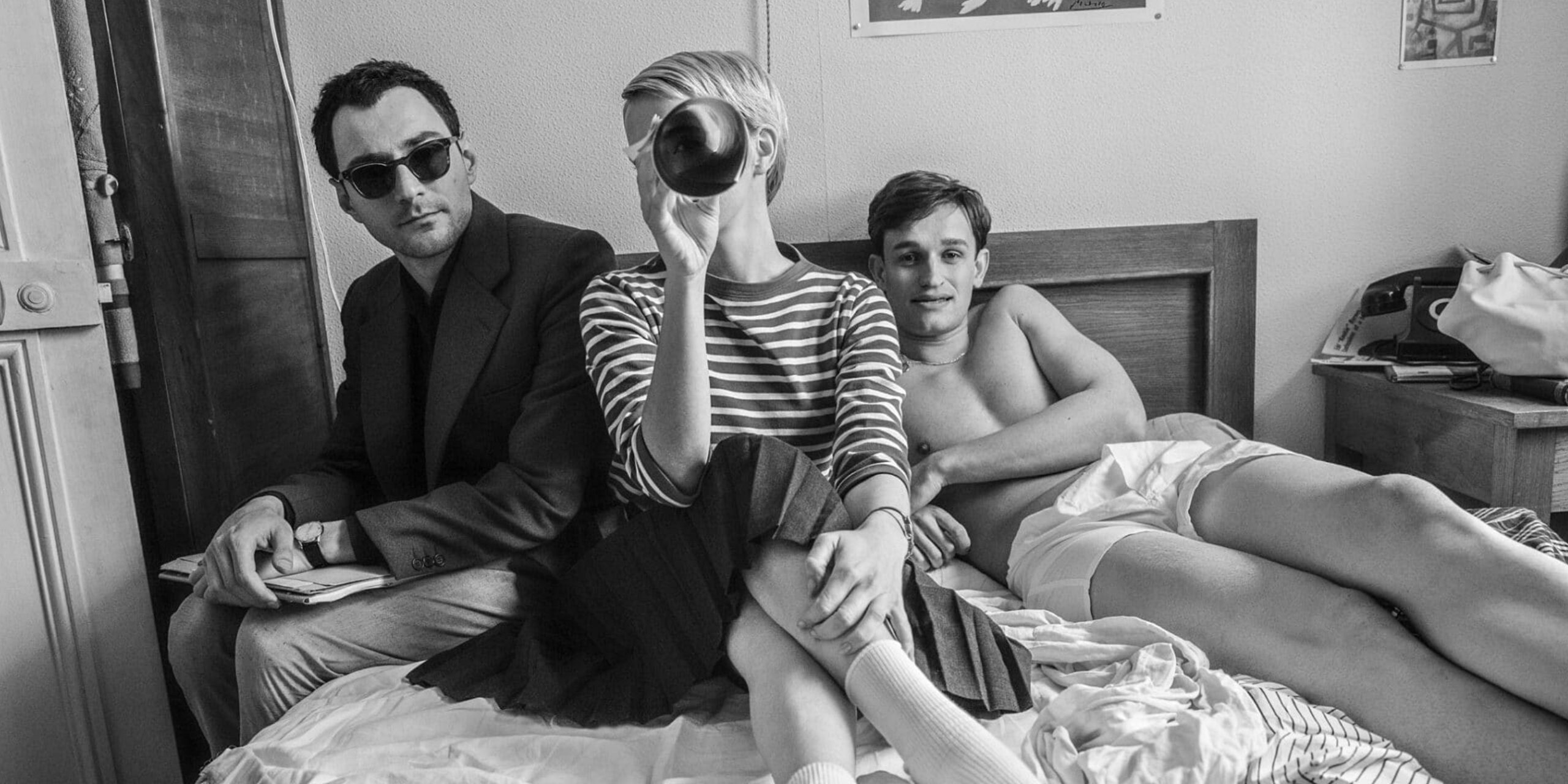
Cahiers du cinéma film critic Jean-Luc Godard (Guillaume Marbeck), just shy of 30 years old, believes that the best way to critique a movie is to make one. However, he’s basically the only critic on staff who has not made a film yet, as François Truffaut (Adrien Rouyard), Claude Chabrol (Antoine Besson), Jacques Rivette (Jonas Marmy), and Eric Rohmer (Côme Thieulin), have already directed their first feature film. Getting producer Georges de Beauregard (Bruno Dreyfürst) to fund a low budget feature, Godard takes a treatment he did with Truffaut about a gangster couple and is off to the races with Breathless.
Hiring boxer Jean-Paul Belmondo (Aubry Dullin) as his lead, Godard also lands American movie star Jean Seberg (Zoey Deutch), who quickly realizes that this young man is not making a film like anyone else. Despite cinematographer Raoul Coutard (Matthieu Penchinat) and assistant director Pierre Rissient (Benjamin Clery) being incredibly helpful, they’re all at the whims of Godard, who only works when inspiration strikes. To all involved, and especially to Beauregard, it appears to be a complete disaster. However, as they innovate and create certain filmmaking styles, a sense also appears that if they can finish the movie, he may be doing something genius.
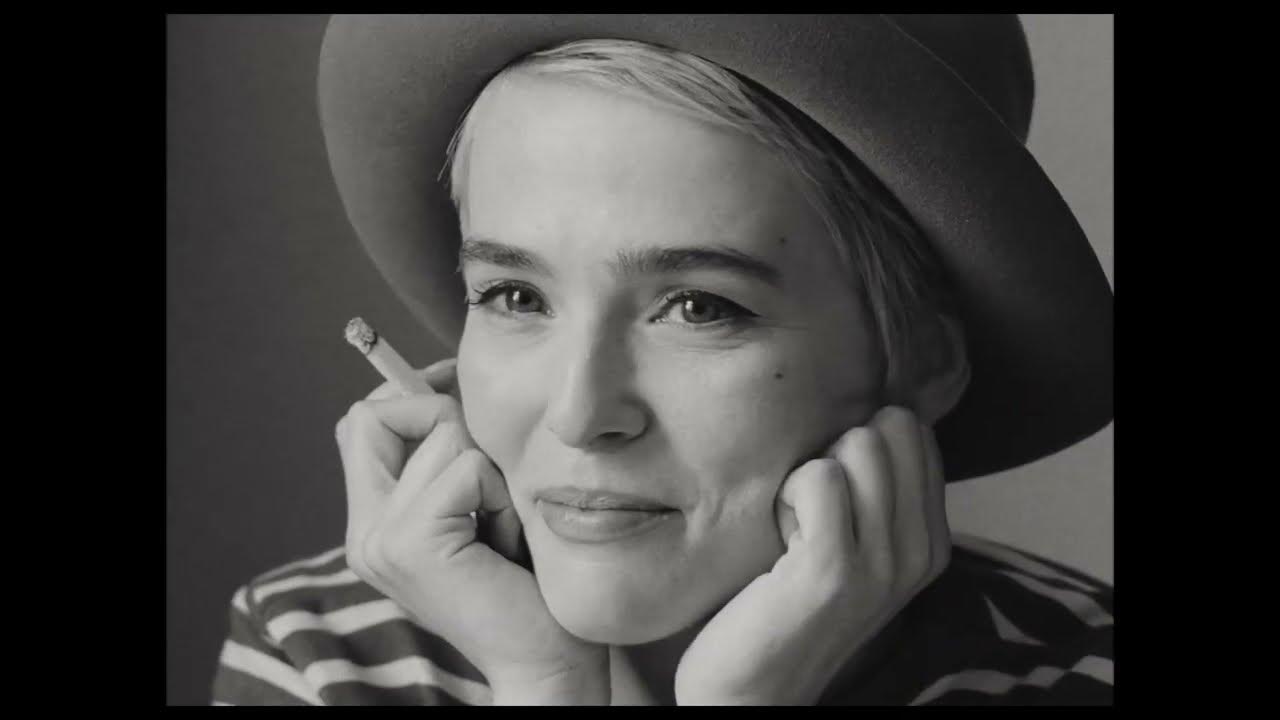
Zoey Deutch, Aubry Dullin, and Guillaume Marbeck are all very good here, not just looking like their counterparts, but capturing their spirits as well. Deutch is a convincing fish out of water on set, someone who knows how things are usually done, yet also is kind of curious about this very new way. It’s not a showy performance, to be sure, but it is a very appealing one. Dullin and Marbeck are just as good, playing the charming Belmondo and the compelling Godard, respectively. Watching the two of them interact early on is a charming highlight. Everyone else gets to be amusing as their real life counterparts, though they’re very much in the shadow of this trio. Other supporting cast members here include Pauline Belle, Jodie Ruth Forest, Aurélien Lorgnier, Laurent Mothe, Tom Novembre, and more.
Director Richard Linklater is absolutely delighting in recreating not just period Paris, but the making of Breathless as well. The screenplay by Holly Gent, Vince Palmo, Michèle Halberstadt, and Laetitia Masson feels well researched, which lets Linklater through a lot of names at the audience. He does it in a very accessible way, too, having everyone get a short introduction. You don’t even need to know who many of them are, so it feels like an easter egg in a way. The spirit of creation and the spirit of the French New Wave is all over Nouvelle Vague, capturing what made Breathless the one of a kind picture it is.
Nouvelle Vague is destined to be a film school favorite, I’m sure of that. It’s also another new experiment from Richard Linklater, who has no genre or type of movie that he can’t master. TIFF is the latest festival stop for this flick, which has amassed fans everywhere else it has played, and that’s 100% the case here as well. It’s just a winnwr.
SCORE: ★★★1/2


Comments
Loading…