

 Joey Magidson
It’s impossible to watch Train Dreams and not have an emotional reaction to it. Pretty much everyone has fallen in love with the movie, ever since it debuted at the Sundance Film Festival. The thing is, the way it affects everyone is different. That’s one of the major charms of the flick, which now is streaming on Netflix, after a strong festival run throughout 2025. As the film hit streaming, I sat down on Zoom last week for a quick chat with co-writer/director Clint Bentley and his cinematographer Adolpho Veloso to talk Train Dreams. Today, that discussion comes your way.
In my rave review here of the film, I spoke of it like so, in part:
Sometimes, you have no way of knowing how a film will affect you. Train Dreams is, all told, not a depressing movie, and yet, when the credits rolled, I found myself deeply sad. Something about the deceptively simple story of one man leading a life of unexpected depth had me deep in my emotions. Was I said because his story was over? Was I bereft at the thought that my own life might not have the meaning I want it to have? That all remains elusive, as the experience wasn’t about pinpointing why I felt how I felt. Train Dreams is a movie that doesn’t tell you how to feel. However, it does ask you to feel, whatever that entails. In that regard, it’s wildly successful, as much as any other bit of cinema this year.
Train Dreams has a quiet power to it that sneaks up on you. In some ways, it’s an interesting companion piece to The Life of Chuck from earlier this year. Both flicks are about the extraordinary nature of an ordinary life, though tackling things, aside from a notable voice as narrator, in very different manners. Still, I think The Life of Chuck is a masterpiece and likely the crowning achievement of 2025, so to put this work on a similar level is high praise, indeed.
Filmmaker Clint Bentley, co-writing again with filmmaker in his own right Greg Kwedar, directs this with a quiet confidence that adds so much life to the story. Bentley and Kwedar have a great working relationship, collaborating here, as well as last year with Sing Sing (which Kwedar helmed), and Jockey previously (directed by Bentley). Here, they take Denis Johnson‘s novella and finds the cinematic voice within. The score by composer Bryce Dessner pairs perfectly with the visuals from cinematographer Adolpho Veloso to tell the story with all the soul required. The final shots of Train Dreams are just perfection and will stay with you. Plus, at barely over 100 minutes, there’s an economy to the storytelling that’s incredibly admirable, while still tackling big themes. The movie does not overstay its welcome, that’s for sure, even as there’s lots to say about America, life, and the meaning of both.
Below, you can see my conversation with Bentley and Veloso. I’d met them both earlier on in the month at an event for the film, so we were kind of picking up where we left off. There wasn’t a lot of time here, though we did hit on a handful of topics in relation to the movie. Both are easy guys to talk to, and I could have gone back and forth on the flick for hours, there’s so much to latch on to. Train Dreams is now on Netflix, so while it’s ideal to see it in a theater, you now have no excuse for not checking this one out…
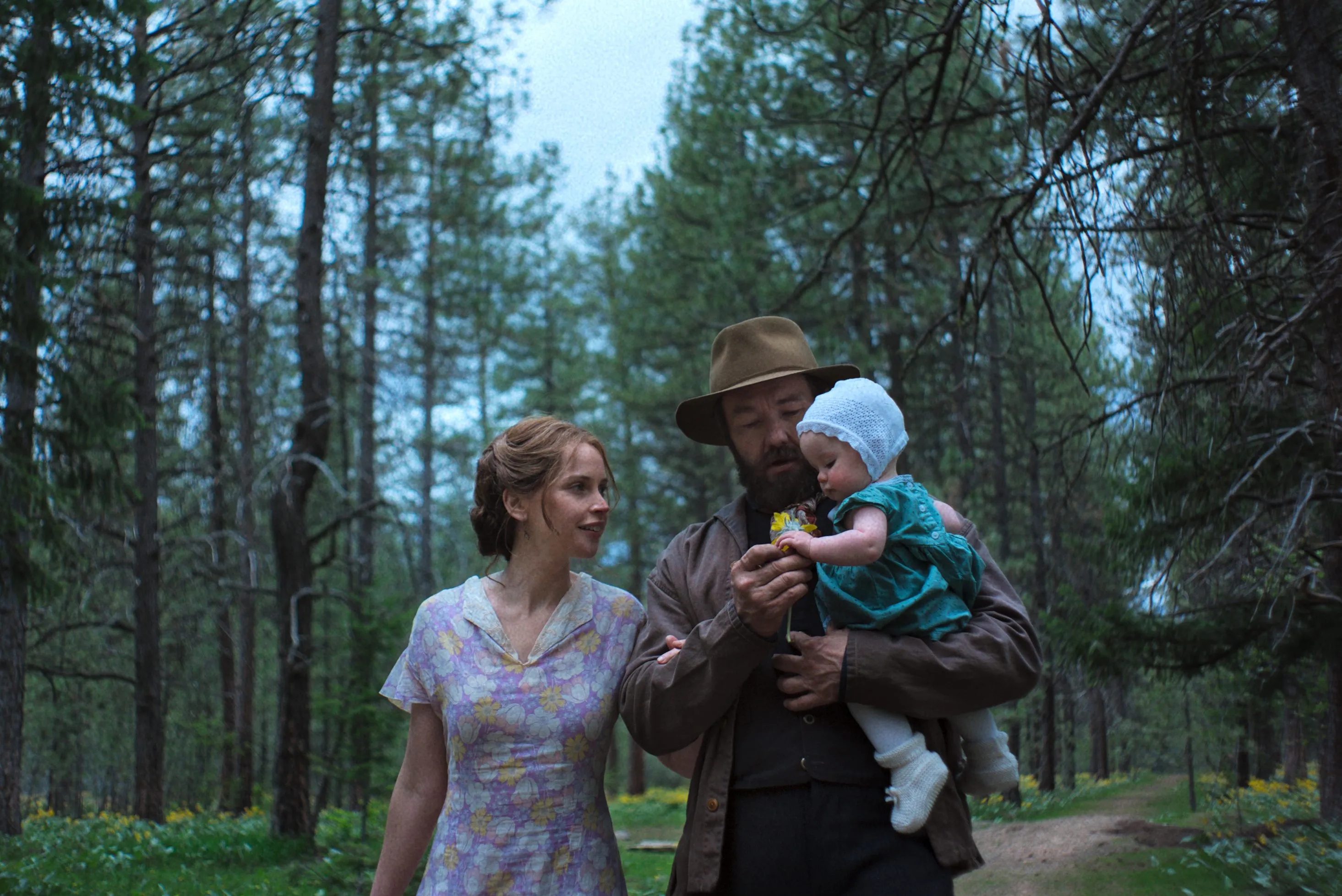
Here now is my interview with Train Dreams co-writer/director Clint Bentley and cinematographer Adolpho Veloso. Enjoy:
Train Dreams is currently streaming on Netflix!


[…] Interview: Discussing the Emotions of ‘Train Dreams’ with Filmmaker Clint Bentley and Cinematogr… […]