

 Red Broadwell
While anime has rapidly crept into the popular culture space over the last decade, Solo Leveling–an adaptation of the webtoon/manwha of the same name–has reached new levels of both commercial and critical success. After a phenomenal first season last year, and its subsequent sweep at this year’s Crunchyroll Anime Awards, Solo Leveling makes history as the first anime under consideration for the Emmy Awards.
The series takes place after rifts to dungeons riddled with dangerous beasts open worldwide. Some, including Sung Jinwoo (Taito Ban/Aleks Le), receive powers that grant them the ability to fight these monsters. Jinwoo is the weakest of the weak, until a mysterious System chooses him to train to become one of the strongest Hunters ever. The show is beautifully animated with stellar action and a gripping story that’s captured critics and fans the world over.
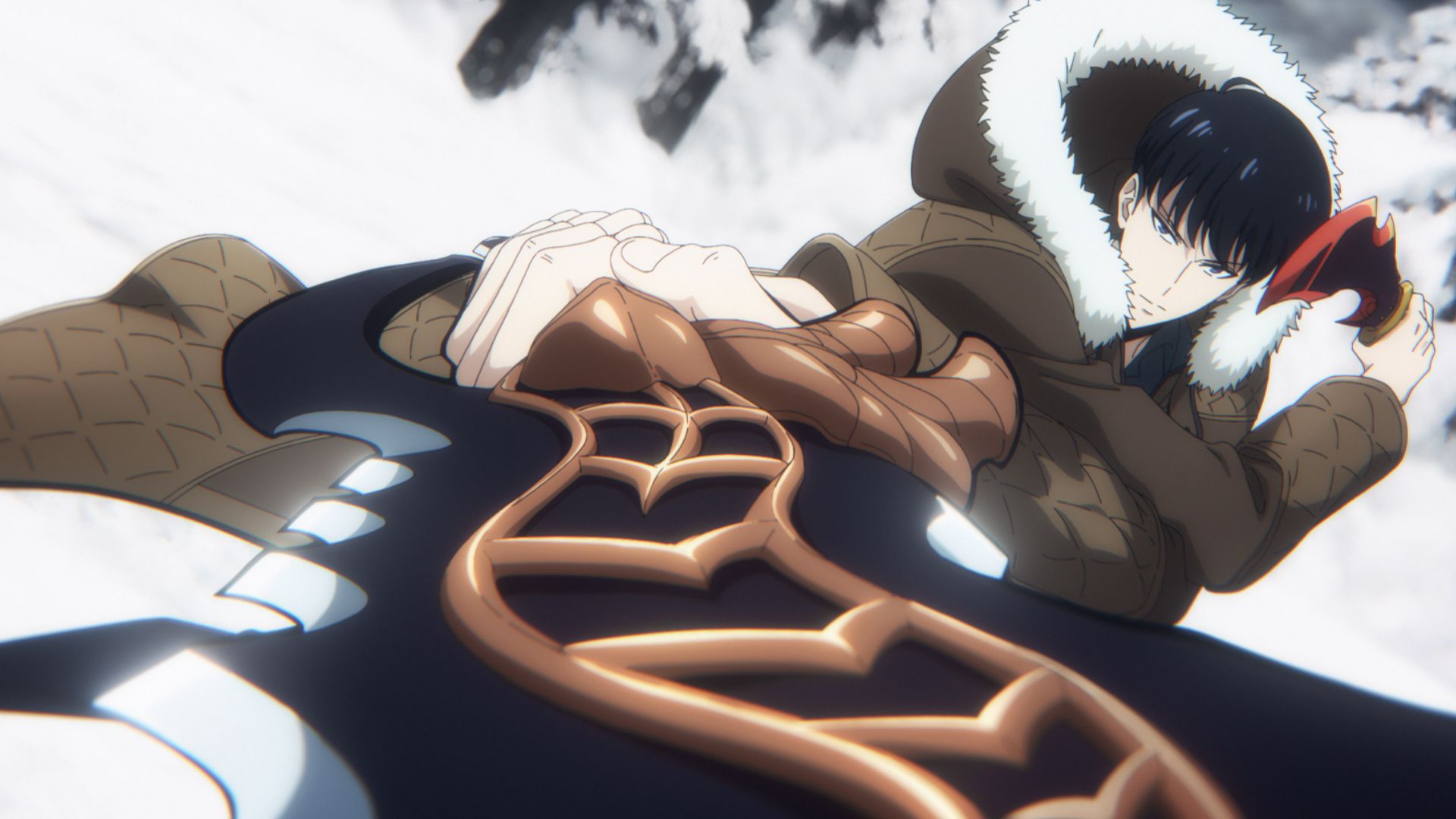
I had the pleasure of speaking with Atsushi Kaneko, animation producer at A1 Pictures, Sota Furuhashi, producer at Aniplex, and Crunchyroll producer Kanako Takahashi about the success of Solo Leveling, the synergy required for a three-way co-production, and the fun of working within the world of the show.
Awards Radar: What do you make of the global phenomenon that Solo Leveling has turned into in terms of both critical response and fan reception?
Atsushi Kaneko: I think the fans are enjoying a lot of different aspects of the series. A1 Pictures, the animation studio, really poured their blood, sweat, and tears into the project for how the animation came together. The underlying source material is also just a fun and relatable experience, it kind of all came together into the reception that it enjoys and receives.
Kanako Takahashi: To add onto that, I think one of Crunchyroll’s biggest missions is to take Japanese anime and deliver it to the world in a way that fans can really enjoy. In doing so, A1 Pictures and Aniplex came together to create such an amazing anime and Aniplex and Crunchyroll were able to tag team and localize and bring it to so many different markets. I think we’ve achieved so much with this project, and the reception is the answer to how we’ve succeeded.
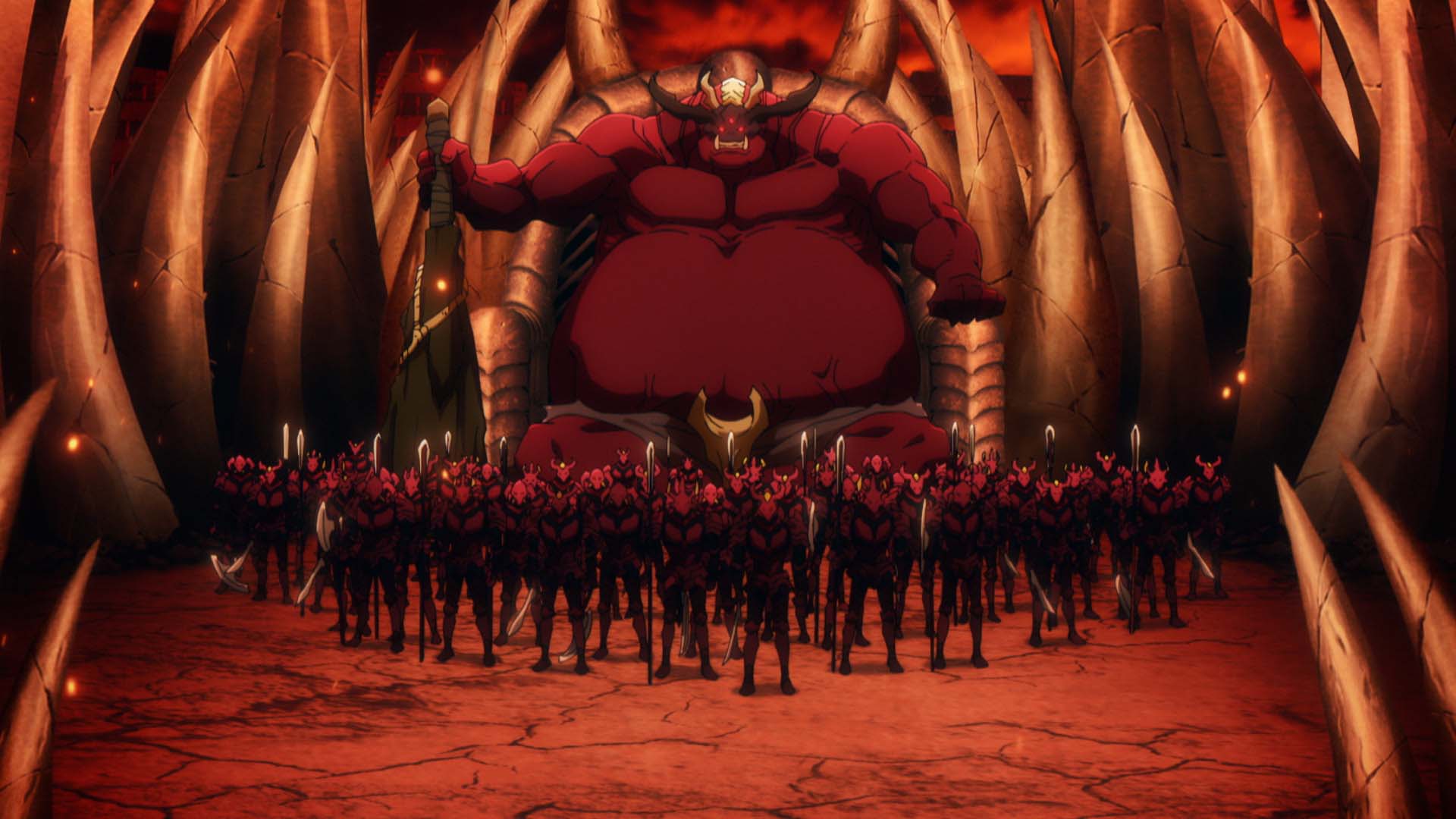
Awards Radar: I mean, I would certainly agree especially in seeing fan reception from my end of things. As a follow up, why do you think Solo Leveling resonated with viewers so much in terms of both narrative and the animation craft behind it?
Atsushi Kaneko: On the more technical aspect, I think as an anime we didn’t do anything too different or out of the ordinary from what we would’ve done. It’s almost an extension of other productions and studios of the past. I think that really exists on the cutting edge or frontier of what Japanese anime and all the history it embodies has built up to, and I think we’ve been at the forefront and were able to maximize these talents and skills and assets that Japanese anime has built over time.
On the reception side, I think the literacy towards anime and anime as an expression and as a medium has increased significantly compared to decades ago. Crunchyroll has a lot of the know-how and experience about how anime is received around the world. For both the craft and the delivery, we got lucky in some ways that these sorts of technical achievements were delivered to fans in a way that they could respond at the scale they did. That was in part why it was so successful.
AW: With the success of Solo Leveling’s first season, how did production change to encapsulate the increased scale of season two?
Sota Furuhashi: For me, as the animation producer, I thought about how between season one and season two how I could create more time for the creative team. I don’t think there was anything that changed significantly in our creative process, but the biggest thing was trying to create an environment where our creators could really spread their wings and maximize their talents and put it on the screen. In terms of any of the creators–the storyboard artists, the 3-D animators, the key frames, the camerawork–all of that simply takes time. Even in season one to just maintain that level of action, we felt like “Man…we’re really short on time”. We knew we had to evolve that visual expression. One of the biggest challenges for me was trying to figure out how to create more time for the creative team.
I have a little anecdote from the studio to express that. There’s a very talented keyframe animator at our studio, and I’ll go to his desk and ask him how his day’s going. He’ll just look like he’s thinking really, really hard and then tell me “Hey, I think I need to go on a walk to refresh my mind”. And then he’ll be gone for three hours. So, that’s what I mean when I say we need to create more time.
AW: I must say, even with the time built in for three-hour walks, I think it looks stunning.
So I know that co-productions aren’t necessarily novel things, but what was it like working on a co-production of this scale between Crunchyroll, A1, and Aniplex?
Sota Furuhashi: One of the big missions for Solo Leveling was to make a great anime, but also how we’re going to deliver this to the global anime audience and fans. I think because of the close relationship we have and how we set up the co-production between our three companies was a very important reason for this sort of global phenomenon that it eventually became. Of course, with A1 Pictures and all the technical aspects of what they built up over the years. I think trying to navigate the cultural nuance and trying to make sure we’re mindful and sensitive Crunchyroll was a huge part in being able to communicate that in real time and make sure we’re understanding and reflecting what we discussed into the production that A1 is doing. The three companies had to operate very closely, so we thankfully had very quick feedback loops of talking about this and that and bringing it back into production.
Kanako Takahashi: To add onto that, both Aniplex and Crunchyroll are under the Sony family now. Despite that, Solo Leveling was one of the first ventures where those two companies really walked hand-in-hand. In terms of how we divided responsibilities and leveraged all the assets that we had as two different companies. One thing that we did know is we wanted to make this series a worldwide hit, so despite this being the first time we’re working together as joint companies we thought a lot about what we could do. In the past, I’d say a lot of these kinds of projects were a one-way street where the Japanese side of the anime would decide the type of anime and creative choices and marketing that they were going to do. With Solo Leveling we wanted to make it a two-way, or rather three-way, street of communication whether it’s the localization or the marketing or the creative aspects. This was kind of a first for us as sister companies in the Sony group, but the goal was clear that we wanted to make it a sensation and that made our mission and how we divided the responsibilities quite clear.
AW: So basically creating new levels of synergy and streamlining the process?
Kanako Takahashi: Yeah, basically taking everything to the next level.
AW: My final question for all three of you is what is a specific aspect of working on Solo Leveling, from either season, that’s stuck with you?
Atsushi Kaneko: The opening to an anime serves as the face, the thing that represents the thing you’re about to see. Normally, we don’t outsource that. In respect of the source material being South Korean and wanting to take on a new challenge for this international co-production, we actually outsourced the opening of season one to a Korean studio: Studio Prix. We knew that they’re a studio that produces high-quality animation, but there was a sense of excitement about what the studio was going to do, how they were going to interpret it, and what the final product would be. What we ended up with was something that A1 Pictures wouldn’t imagine normally. For me, there was this excitement that we would see a new type of action anime from A1 pictures from how different the opening turned out to be.
Of course, the Japanese creators and animation team are extremely talented. But because of the studio’s heritage, there’s different sensibilities and a different angle or approach to creating an opening that I was personally excited to see.
Sota Furuhashi: It’s gonna be hard to top that response. This might be a little similar, but the opening theme song for season two was sung by LiSA featuring Felix [from STRAY KIDS] and it was composed by Hiroyuki Sawano. Maybe this collective might sound too exaggerated, but it almost felt like an amalgamation of what this anime represents: Korean source material and Japanese anime production and expression working together to produce this thing. The representation and reflection of that idea translated into the global sensation that it became. And, of course, the music made it on several charts. I think that reception and how what we created was received on an international stage made me very happy.
AW: No, I love both those answers. I’m always interested in what producers, in this case animation producers, have to say about what your favorite parts of production were or what sticks out to you about the final product. So, I’m thrilled that I got to pick your brains about it.
Thank you so much for your time, it was lovely getting to speak with you!
The first and second seasons of Solo Leveling are available to stream only on Crunchyroll.com.


Comments
Loading…