
 Joey Magidson

Last weekend, audiences finally got to see what pundits like yours truly have been raving about since the Telluride Film Festival. Nathan Fielder and Lance Oppenheim‘s You Can See Everything opened in theaters, taking in a phenomenal $15.6 million in only 855 theaters. This weekend, the film goes wide and may well challenge Clayface for number one at the box office. The movie is a certified hit, not just financially, but in terms of some of the most effusive reviews of the year. This is undoubtedly becoming one of the cinematic events of 2026. So, the question can now legitimately be asked…could this flick become the first documentary ever nominated at the Oscars for Best Picture? I say yes, yes it can, and in fact, I’m currently predicting it to do so.
As a refresher, my rave Telluride review here on the site, spoiler-free, no less, included the following:
It is nearly impossible to explain why Nathan Fielder and Lance Oppenheim‘s You Can See Everything is one of the all-time documentary experiences without going into major spoiler territory. Hell, even Fielder himself, in the post screening Q&A here at the Telluride Film Festival, where it had a surprise World Premiere, stated “I’m struggling to this day to understand exactly what I experienced.” So, while I’ll do my best to explain why this is such a special work, just know that the experience is made even better by going in as blind as possible. I sat down only knowing that Fielder had made a 174 minute documentary about Elizabeth Holmes. Nearly three hours later, my jaw was on the floor and my breath had been taken away. This is not just one of the very best films at Telluride this year, it’s arguably one of the most stunning documentaries ever made.
You Can See Everything starts as one thing before becoming another. That latter half of the movie is something that shouldn’t be spoiled, though fans of Fielder will be delighted. The way this doc comes together, where it goes, and what it leaves you pondering are exactly what the form was made for. No one has done this quite like Fielder and Oppenheim have, though. This is very much a one of a kind work.
Nathan Fielder and Lance Oppenheim have made one of the all-time great documentaries here. Just by following their curiosity, they stumble upon something that questions the very meaning of truth. The fact that Fielder and Oppenheim struggle to come up with a satisfying answer in the case of Holmes only makes this more compelling. Fielder’s confusion about her is a massive asset, especially as it drives him to lengths you’d never believe if you weren’t seeing it on the screen.
You Can See Everything is a masterpiece of the form. You’ve never seen a documentary like this before. Telluride was abuzz all weekend about what would fill the TBA slot on Sunday night, with some wild speculations, so there was a high probability that the reveal would be a letdown. Instead, not only did we see one of the festival’s most stunning works ever, it’s a documentary experience that I’ll never forget. Truly, I may think about this movie for the rest of my life.
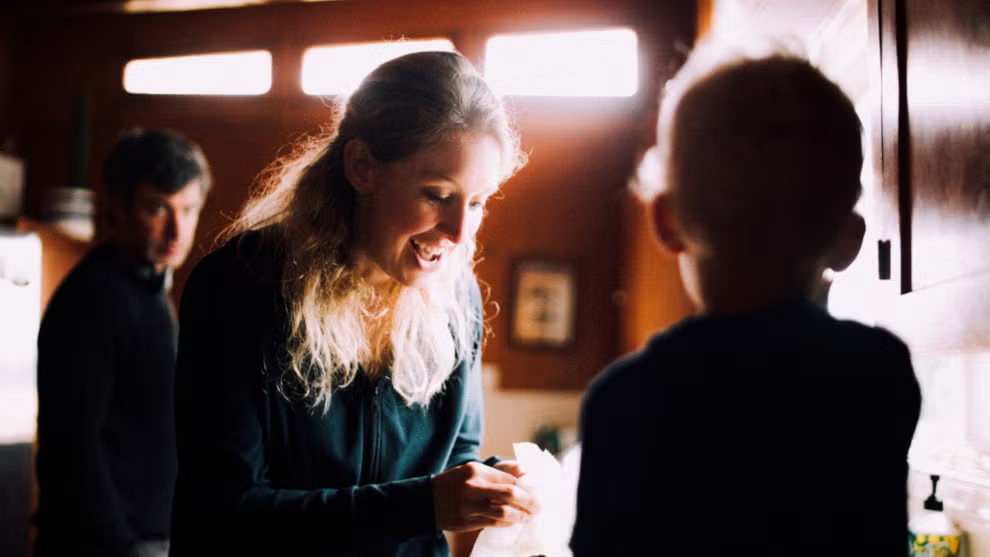
First of all, it’s worth noting just how much of a breakthrough a Best Picture nomination would be for the work. No documentary has ever been nominated at the Academy Awards in the biggest category, and truly, only a few have ever even sniffed true contention. Hoop Dreams arguably came the closest, while Fahrenheit 9/11 was once considered a possibility. Other than that? Any other doc was a real stretch. This is really the first time the conversation, especially at this point in the season, has been had with a true feeling that the nomination is in reach. The next question to ask is, well…why?
I’m currently predicting You Can See Everything for a Best Picture nomination, alongside citations in Best Documentary Feature (where it’s my current winner, though that category could go in a lot of directions), Best Film Editing, and on the cusp of a nomination in Best Supporting Actress (which I’m still not ready to spoil/talk about). In fact, I don’t think Best Director for Fielder and Oppenheim is an insane thing to consider, nor is an extra citation like Best Original Score. Documentaries never really have across the board campaigns that go anywhere, so even here in late October, this is uncharted territory.
Another interesting aspect of this is how, even as people are learning the secrets contained within, the discussions are only intensifying. What started as a bit of a mystery after Telluride, where folks like yours truly talked around the details, is now being dissected in a way only certain things can hope to be. That equates to passion, and when it comes to voting for the Academy Awards, an Oscar ballot is chock full of passion plays.
When you combine the box office, the reviews, the industry buzz, the way the film has captured the zeitgeist, and the unique way that it can cross various audience demographics, and you have something special. Already we’re seeing packed Academy screenings, which are not the be all, end all, but are noteworthy, as well as the internet meme world going to town on the movie. That combination is something Oppenheimer can sport. This? Now that’s the sort of thing you shouldn’t sleep on.
The precursor season will tell us a lot, but right now, I think all of the pieces are in place for You Can See Everything to break the Academy glass ceiling for documentaries. Especially if this one becomes a frontrunner, documentary-wise, it can only strengthen its case. This is such a unique work, it’s only fitting that it could become a unique contender. The next few months are going to be fascinating, so sit tight…
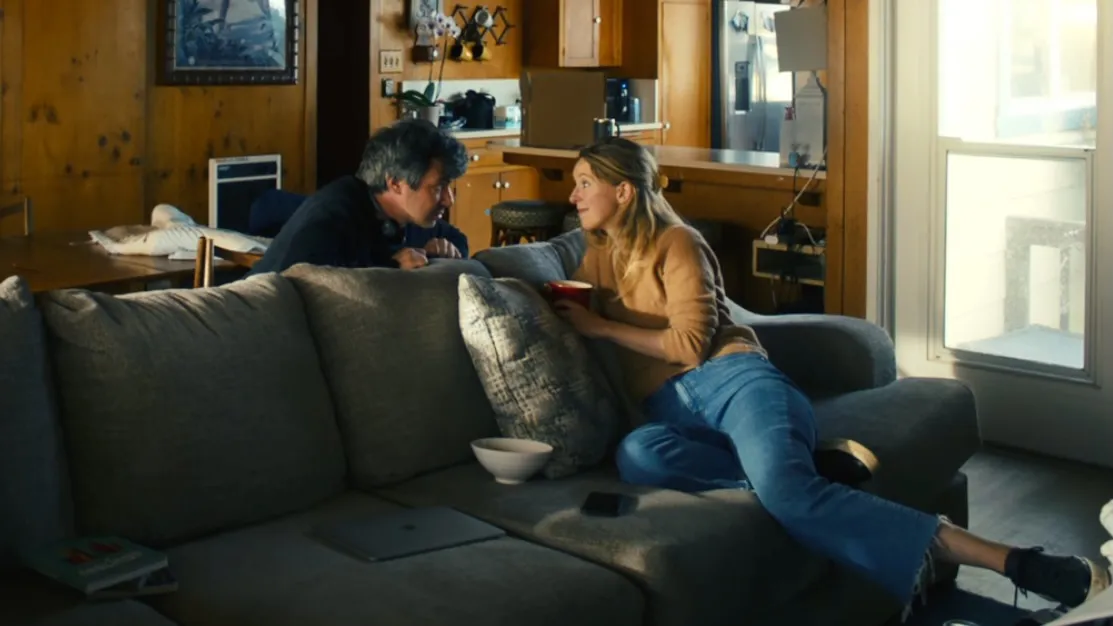
Stay tuned to see if You Can See Everything makes history as the first documentary nominated for Best Picture at the Academy Awards!


Comments
Loading…