

 Steven Prusakowski
There is a reason why Lord of the Flies stays with you long after you first read it. Most tackle it for a class during that coming-of-age point in life, the perfect time to process William Golding 1954 novel about a group of kids stranded on a tropical island where they learn about themselves, their peers and human nature. It is a book bursting with themes that, even though written over 70 years ago, feel as perfectly timely today as ever. The same rings true for the Netflix limited series version of the story.
One take away from the novel is typically every reader seems to find a piece of themselves in someone on that island. Maybe you’re Ralph, trying to lead. Or you’re Simon, torn where he fits in. Or maybe you’re Piggy, searching to be heard. That connection to the characters is exactly what was felt by the young actors in Netflix’s limited series adaptation of the classic novel.
Even series writer and creator Jack Thorne (Adolescence) recently told Awards Radar that he immediately bonded with Simon when he first read the book at age 11, finding a deep personal identification with the character.
The same proved true for the cast, who didn’t just play these iconic boys, they found pieces of themselves in them.
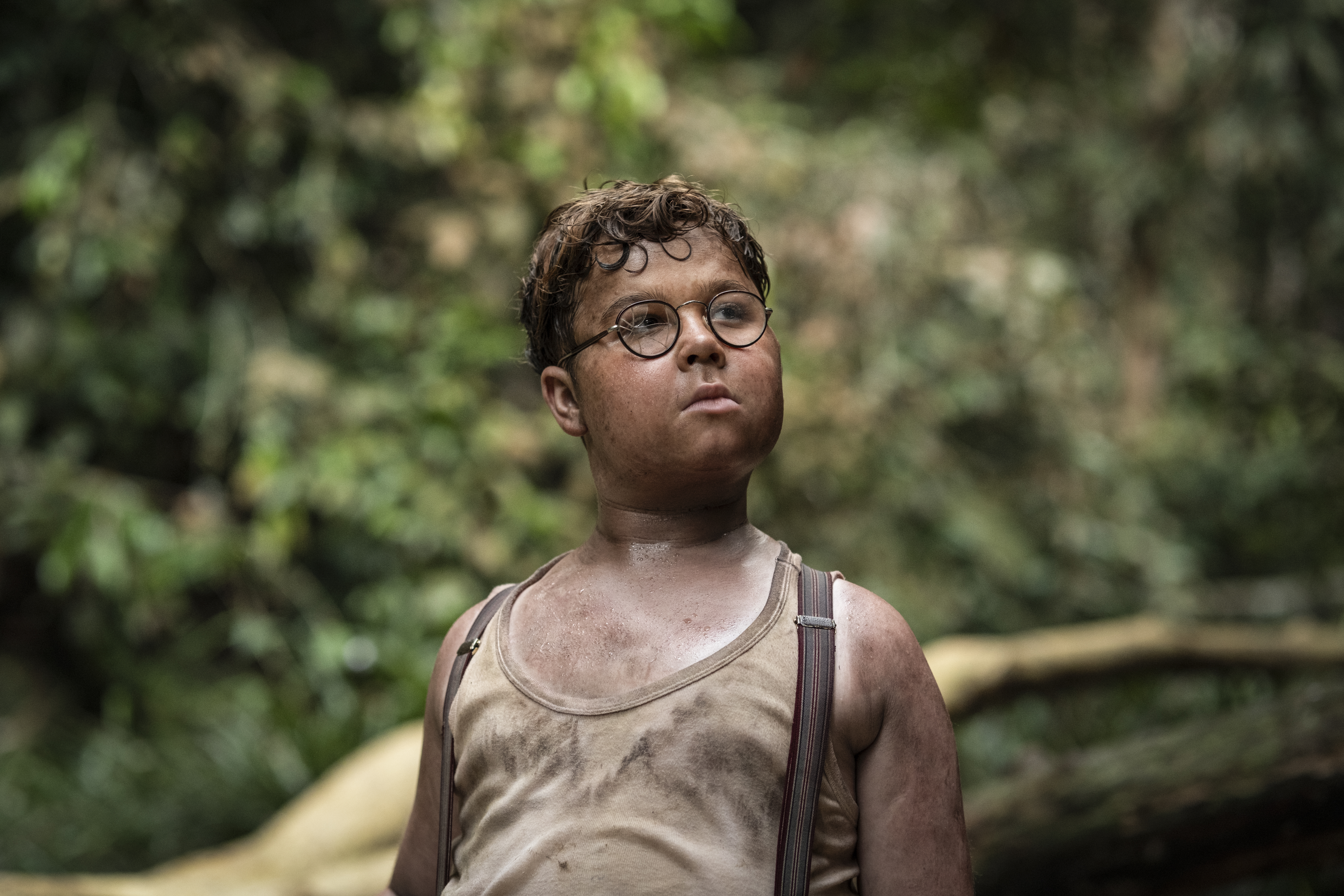
For David McKenna, stepping into Piggy’s shoes felt surprisingly familiar. “I think I connected a lot with Piggy… the bossiness. Like the Irish granny. I really sort of connected with her.”
The experience also left a lasting mark on him. “Definitely, it changed me as a person. I became more confident… So, yes, it changed me a lot.”
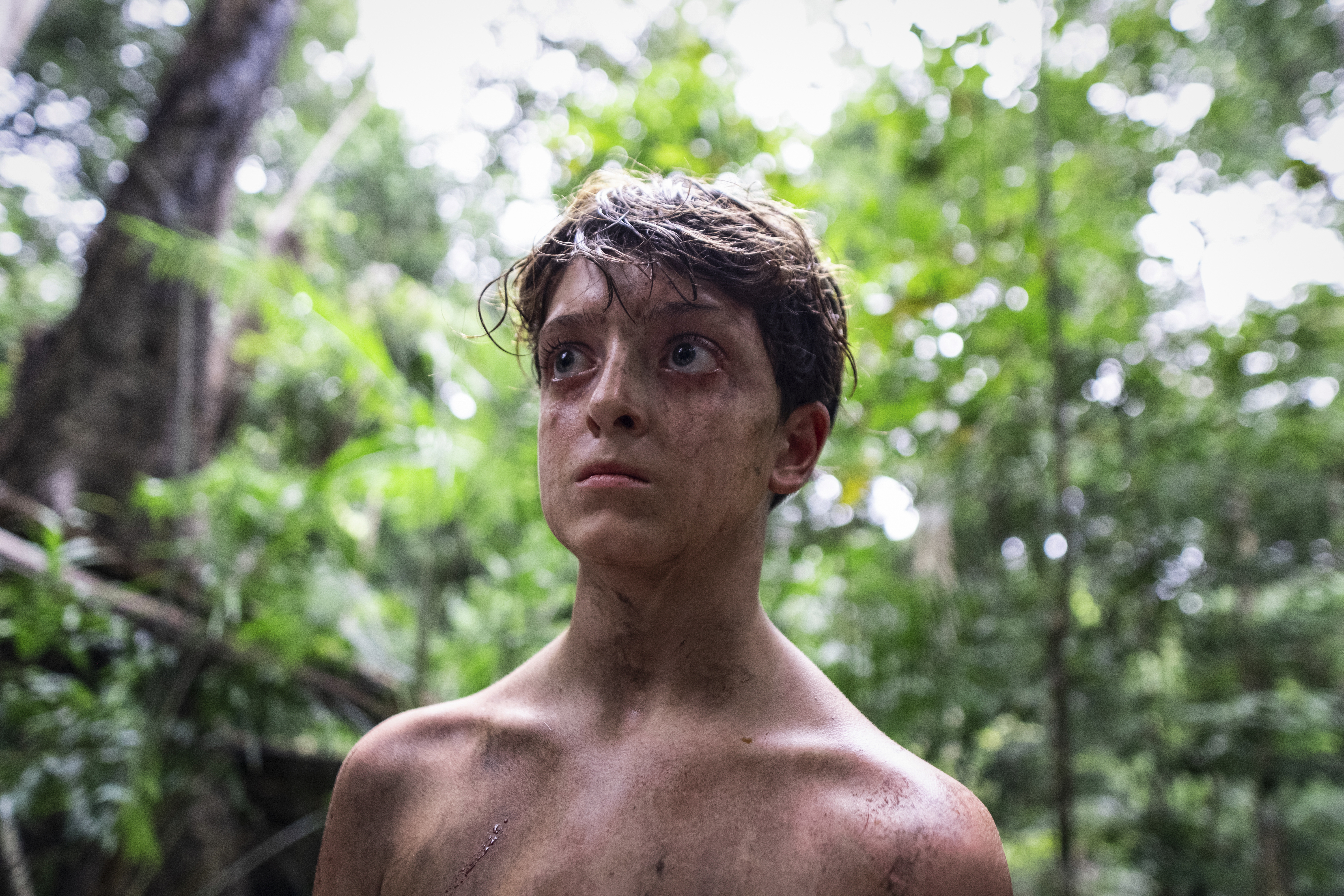
Ike Talbut found himself drawn to Simon’s introspective nature. “I’m definitely a Simon, I’d say… Well, I don’t want to compliment myself too much, but he’s got a sort of internal thought process that I can share with him. He’s got an emotional depth to him.”
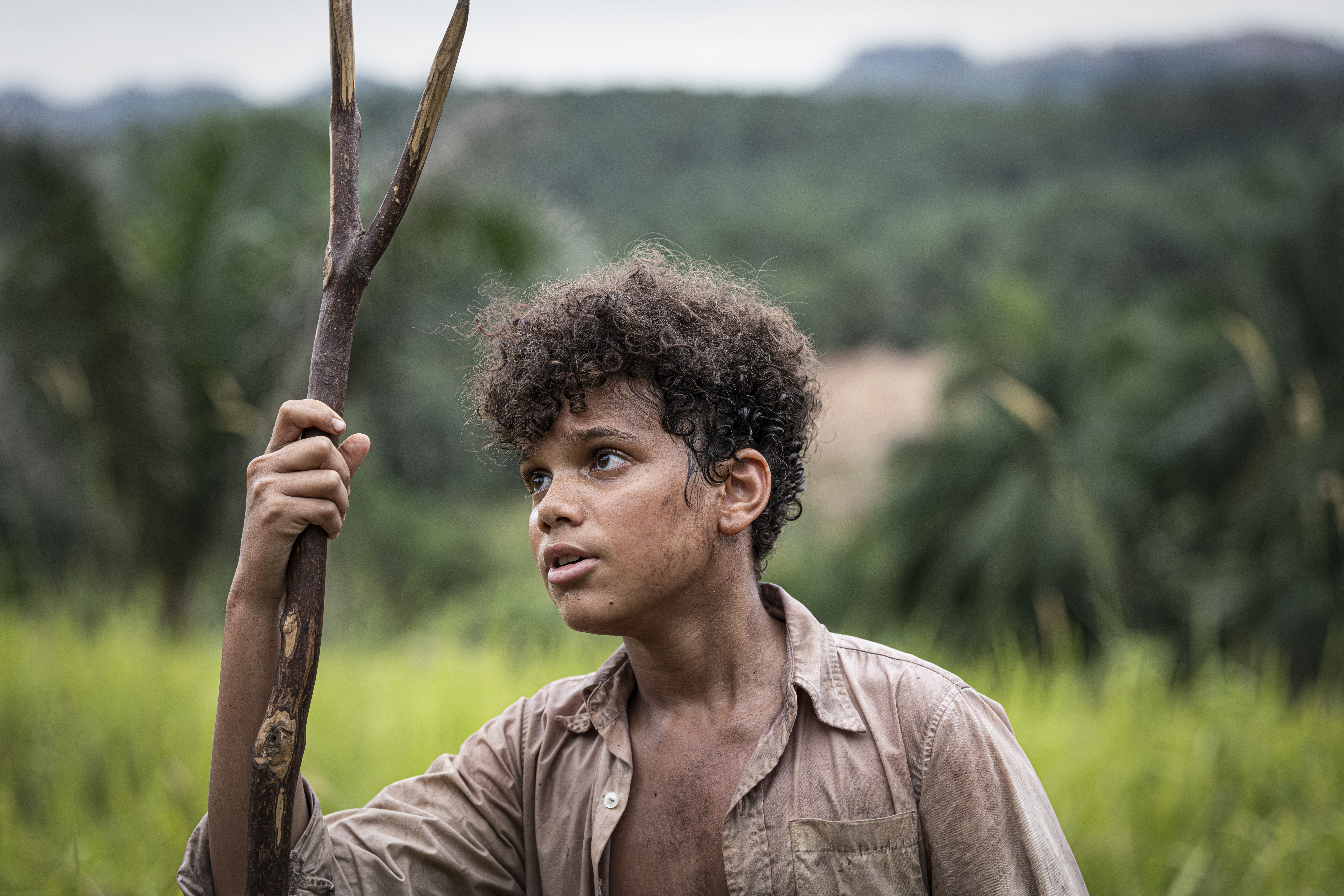
Winston Sawyers connected with Ralph’s confidence. “I think for Ralph, it was his… being humble… He knows he can do it, but at the same time he’s not going to be like, ‘I’m sort of like Jack. I’m Jack. I can sing high C sharp. I’ll be chief.’ He’s more like, ‘Yeah, I guess I can do it.’ And I have the same kind of thing… Modest. Not the first to jump in line, but kind of wait it out and see where you fit in… like a chill guy.”
Those connections didn’t happen overnight, the boys had a long process before actually shooting on the island. Surprisingly, none had read the book at the time they were contacted about auditioning. Two of the three relied on their sisters who had read it to give them the scoop. THis was followed by readings of their own, watching the film and months of auditions.
The cast credits the production’s three week rehearsal period for helping them understand not only their own characters but each other.
“I think those 3 weeks of rehearsals were absolutely instrumental in our understandings of the characters… we went into filming more smoothly,” said the Talbut. “Not only were we meeting our own characters, but it’s just so much more helpful to get to know everyone else… we wouldn’t be able to mesh so well if we didn’t actually get along with each other,” agreed Sawyers.
The bond became valuable because, despite the violence and chaos of Lord of the Flies, the set itself often felt like a group of boys simply being boys.
“It was a lot of fun… So much fun… a lot of the footage in the final series… is not in the script at all… they would just capture footage of us just messing about on an island because we’re all friends,” shared Talbut.
That genuine friendship gave some of the story’s most emotional moments even more weight.
The big moment that traumatizes many is (spoiler alert!) Piggy’s death scene. “Emotionally, I think that goes without saying, Piggy’s death. That was a really emotional scene,” shared Sawyers.
“It was such an intimate scene. I remember in rehearsals, I found it a little difficult to get into it and focus, but then on the day, it just came to us. It was such a beautiful scene. You really resonate with the characters then.”
“And that was one of the last scenes of the film,” added McKenna, “so by then I think you and I had that bond, and I was comfortable to die in your arms. And to be fair, the people who were working on that set were class acts that day. They made the set really quiet and let us get into character. They were really brilliant like that.”
Winston added, “One thing that was nice is that, no offense to everyone, but a lot of people weren’t there. So it was just a very calm day. It was only two of us in the van going to work, and it was really helpful to get into character and get in the mindset. Getting relaxed.”
For Talbut, one of Simon’s defining moments comes in Episode 3 and it is subtle but heartbreaking, “There’s a scene in episode three, quite quite late episode three. And it’s not like a big dramatic scene – it’s not where everyone’s like turning on Simon. But it’s where he’s with these two and Ralph asks, ‘Why are things going this way?’ And obviously Simon’s the one who watches and listens before he speaks. Simon’s the one who has the answers. And he starts to say something because he’s with his friends. He actually speaks up for once because he’s with people that he’s comfortable with. And Ralph says, ‘Sorry, no. I was asking Nicky.’ And it’s subtle. It’s not a big dramatic, ‘I hate you!’ But it’s just that little thing that even though he’s the happiest he’s been, he’s got the most friends he’s ever had the closest friends he’s ever had he’s still he’s still lonely. He’s still on his own.”
The other boys agreed, stating Simon was a “Third wheel” an “Outcast.”
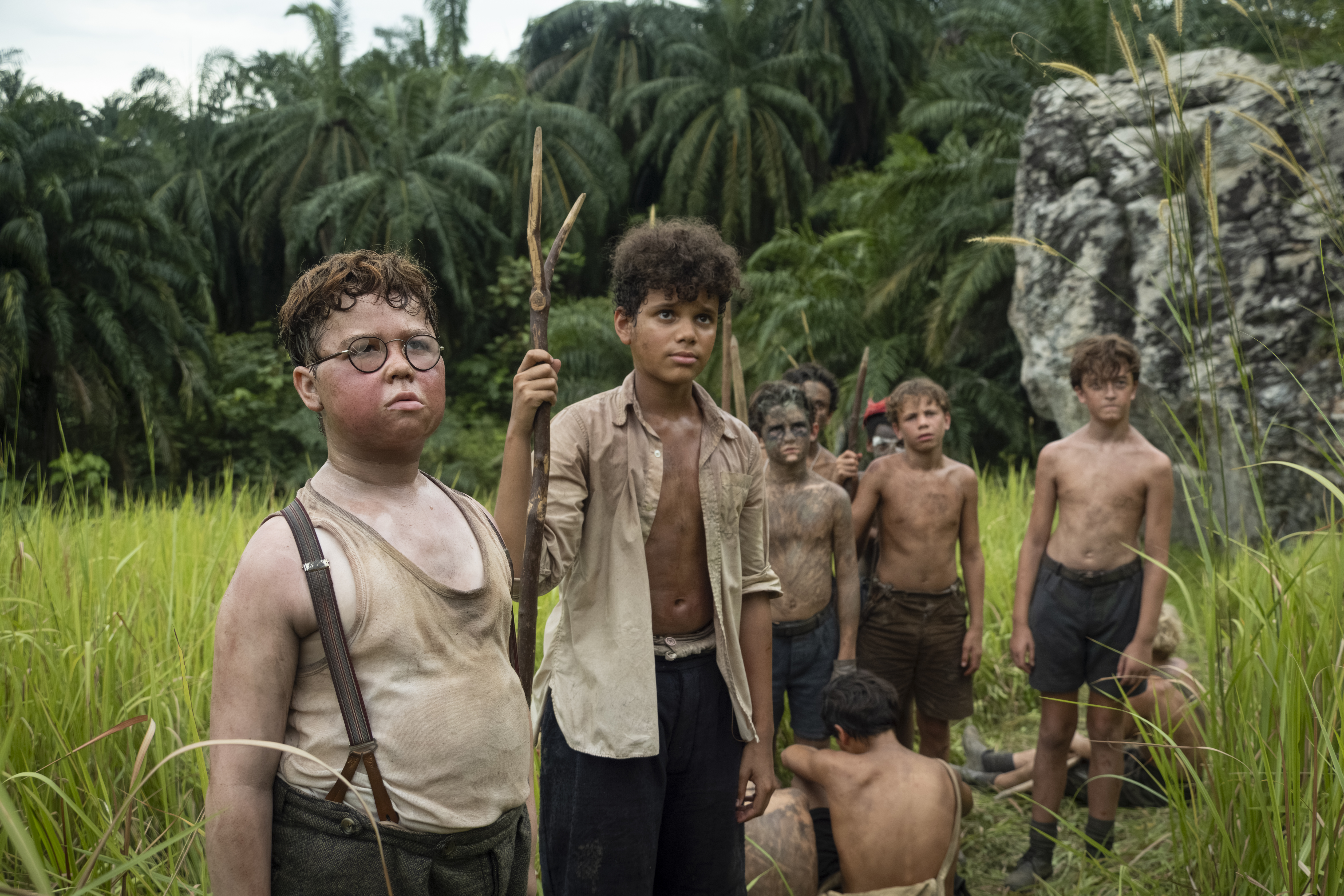
The young actors bring the classic story to life not simply by recreating its violence and tension, but by finding the humanity inside these boys and allowing their own friendships to shine through. And, when the cameras stopped rolling, they walked away changed.
For McKenna, the experience was transformative in every sense of the word. “Definitely, it changed me as a person. I became more confident, felt like I was able to speak up a lot more, and in that way it changed me. But also professionally, it changed me because I realized that this was something that, you know, I can do. I can now pursue it, and I can do something I’ve always dreamed of doing. I can now do it after this experience. And also, I think it changed me socially, because I got to meet and became friends with a lot of kids that, maybe, if I hadn’t had this experience, I wouldn’t be friends with… people from different backgrounds and experiences. So, yes, it changed me a lot.”
Sawyers found a similar sense of growth, “I definitely matured a lot during the project! I learned so much about myself that I didn’t know before, especially how much I can rise to a challenge. I realized I actually love the hard work and found a lot of joy even in the toughest parts of filming like in the mangroves. Plus, I made some incredible friends. We all bonded a lot over such a long shoot, and I know we’ll stay in touch for a long time. David will always be my brother and despite our characters, Lox and I get along very well.”
Talbut summed up the experience best and in the simplest terms.
“Yes, the main change for me was that I walked away with lifelong friends, and the desire to be an actor.”


Comments
Loading…