
 Betty Ginette
Arcane ended its run on November 23, 2024, with a finale that broke Reddit. The episode “The Dirt Under Your Nails” trended globally within hours, not because of a twist, but because people were genuinely grieving fictional characters they’d spent four years with. That doesn’t happen often. That barely ever happens with animation.
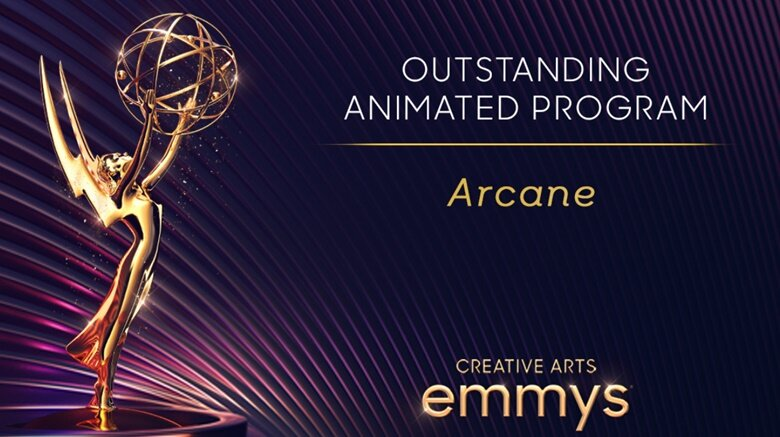
When Season 2 picked up four Emmy Awards at the 77th Creative Arts Emmy ceremony in September 2025 – including back-to-back wins for Outstanding Animated Program – it cemented what critics had argued since 2021: Riot Games and Fortiche Production had made something that didn’t fit neatly into any category, and the Television Academy noticed. The Television Academy’s official Arcane page documents both seasons’ award histories in full, and the scope of recognition across craft categories is striking. This wasn’t a show that won on narrative merit alone while the technical side coasted – it swept sound editing, background design, and color work too.
What makes the storytelling in Arcane genuinely different from other TV adaptations?
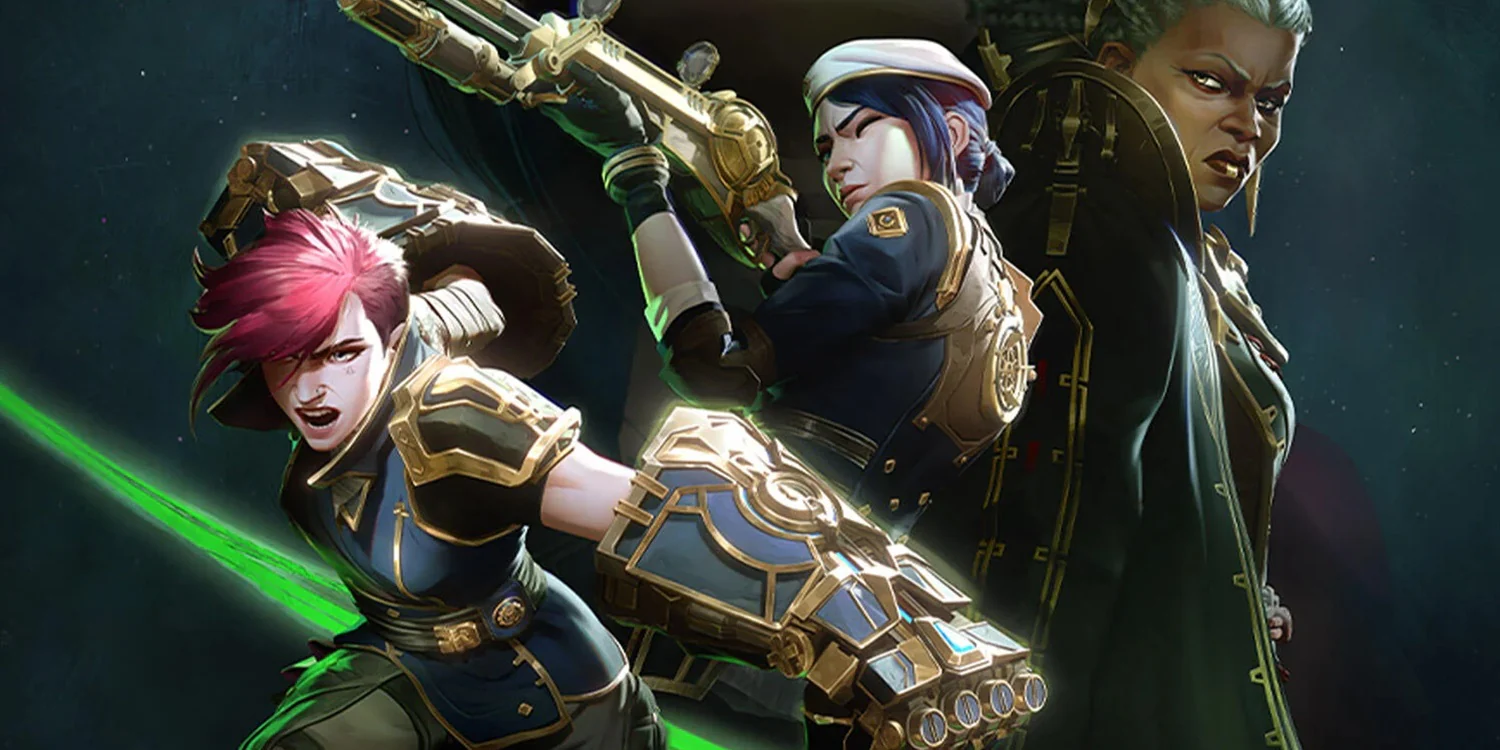
Most game-to-screen projects fail for the same reason: they trust the source material’s lore more than they trust their writers. Arcane does the opposite. Showrunners Christian Linke and Alex Yee spent six years in development on Season 1, building Vi and Jinx’s relationship from scratch rather than adapting it wholesale from League of Legends. The result was a sibling story that worked for an audience of zero – people who’d never opened the game and had no attachment to Piltover or the Undercity.
The writing makes every faction feel lived-in rather than explained. Silco’s arc across Season 1 is the most telling example: he’s the obvious antagonist but the show never asks you to dismiss him. By the time Episode 6 arrives with the “When These Walls Come Tumbling Down” sequence – the episode that earned Bruno Couchinho one of his Individual Achievement Emmy wins in 2022 – you’ve stopped rooting against him in any simple way. That’s hard to pull off in live-action. In animation, where shortcuts toward villain shorthand are even more tempting, it’s rare.
How did Arcane actually win back-to-back Emmys when animated dramas almost never do?
The 74th Creative Arts Emmy Awards in 2022 marked the first time a streaming animated program had won Outstanding Animated Program – Arcane beat Bob’s Burgers, Rick and Morty, The Simpsons, and Marvel’s What If…?. That win surprised nobody who’d watched it. The one that landed at the 77th ceremony three years later felt different, because the show had to prove Season 2 wasn’t a victory lap.
Season 2 had a harder job. It had to close out a story fans were emotionally entrenched in, stick an ending that satisfied without betraying the ambiguity the show had built, and do it in nine episodes. Competing against Love, Death + Robots (“Spider Rose”), The Simpsons, and Bob’s Burgers – the latter a 13-time category nominee – Arcane held the room anyway. According to Gold Derby, the submitted episode was “The Dirt Under Your Nails,” which the Television Academy had already honored with juried awards for Background Design (Couchinho) and Color (Faustine Dumontier).
The gap between Arcane’s Emmy slate and what typically wins in animation is worth sitting with. Animation category wins historically go to comedies. That’s not a bias against the medium – it’s just what gets submitted and what gets watched by voters. Arcane’s willingness to submit dramatic episodes, not clip-reel friendly moments, tells you something about how the producers read the room.
Does Arcane’s connection to League of Legends actually matter for understanding the show?
This is the question that kept coming up on r/leagueoflegends throughout both seasons’ runs, and the honest answer is: less than you’d think. Season 1 functions as a complete dramatic tragedy without prior knowledge of the game. The characters map onto archetypes that exist outside the League universe entirely – the idealist who burns out, the rebel whose methods corrupt the cause, the surrogate father who can’t let go.
What the League connection does provide is a fanbase that arrived with emotional investment, and that audience matters for awards campaigns. Passionate, organized fan communities post viewing parties, submit campaigns, and keep shows in cultural conversation during Emmy voting windows. Fans following lol live results and competitive play were a built-in distribution engine for word-of-mouth that most animated series don’t have access to. That’s not a small thing when you’re trying to convince Television Academy voters to watch a nine-episode animated drama before ballots close.
What does Arcane’s run actually mean for the next wave of game adaptations?
It’s tempting to say Arcane raised the bar for the genre. What it actually did was prove the bar was surmountable. The Fallout series on Amazon – which Aaron Moten discussed with Awards Radar in May 2026 ahead of its second season – is one of several high-profile IP adaptations now operating in the space Arcane opened. The difference is that Fallout adapts tone and setting rather than specific characters, giving it more room to fail gracefully. Arcane had no such cushion.
The Annie Awards confirmed what Emmy voters already knew: at the 52nd Annie Awards in 2025, Arcane took home wins for Directing, Storyboarding, Character Animation, and Production Design in television, all for Season 2. That’s four craft-level prizes on top of the Emmy sweep. By any production standard, this is a show that operated without compromise in its final season, which is genuinely unusual for a Netflix original at the end of its run.
The Fortiche factor: why the animation itself is worth talking about separately
Fortiche Production’s visual approach is one of the things you can’t copy by increasing a budget. Their painterly style – oil-textured backgrounds, watercolor transitions during emotional sequences, the deliberate shift to rougher linework when characters are under psychological strain – isn’t a pipeline choice. It’s a design language that took years to build.
By contrast, when studios try to replicate the look for cheaper, you get something that looks like concept art but never moves like it. Arcane’s Season 2 episode “The Message Hidden Within the Pattern” is the cleanest demonstration: the sequence involving Jinx in the flashback runs less than four minutes but contains animation that most feature studios would flag as a full department’s quarterly work. The Emmy committee agreed – that episode contributed to Faustine Dumontier’s juried Color award.
There’s a thread on Reddit’s r/arcane from late 2024 where a background painter broke down the Undercity street scenes frame by frame and noted that several establishing shots contained hand-painted elements that never appear in focus and never will – details that exist solely for texture. That level of care doesn’t show up in the final cut in any obvious way. It just makes the world feel real.
Whether any follow-up project set in Runeterra – Riot has confirmed development on additional animated content – can sustain that level of craft without Fortiche’s institutional knowledge is the most interesting open question the show leaves behind.


Comments
Loading…