
 Robert Hamer
Note: Spoilers ahead for 28 Years Later: The Bone Temple.
Is it fair to call 28 Years Later: The Bone Temple a box office bomb at this point? At a minimum, it is just straightforwardly true that the film is not doing nearly as well as 28 Years Later did. This is a stunning turnaround from that prior installment enjoying the highest opening weekend in the franchise’s history not even a full year ago, ending its theatrical run taking in over two-and-a-half times its budget. I didn’t much care for either movie, but I don’t think this immediate sequel is that much worse than the last one. So why the drop-off? General audiences liked Danny Boyle’s return to the series way more than I did, so it can’t be explained away as a sequel just suffering the collateral damage of a previous installment’s blowback. Not only did Joey give the previous film a positive review, not only did he express interest in the planned trilogy spinning off from it, but he declared The Bone Temple superior to its predecessor.
So what happened? It didn’t get caught up in some tiresome partisan culture war that I’m aware of. Reviews have been solid. It hasn’t been facing serious box office competition these past three weeks. And yet, it’ll be lucky if it breaks even at the end of its theatrical run. Come on, guys, Ralph Fiennes performs “The Number of the Beast!” Isn’t that alone worth the price of admission?
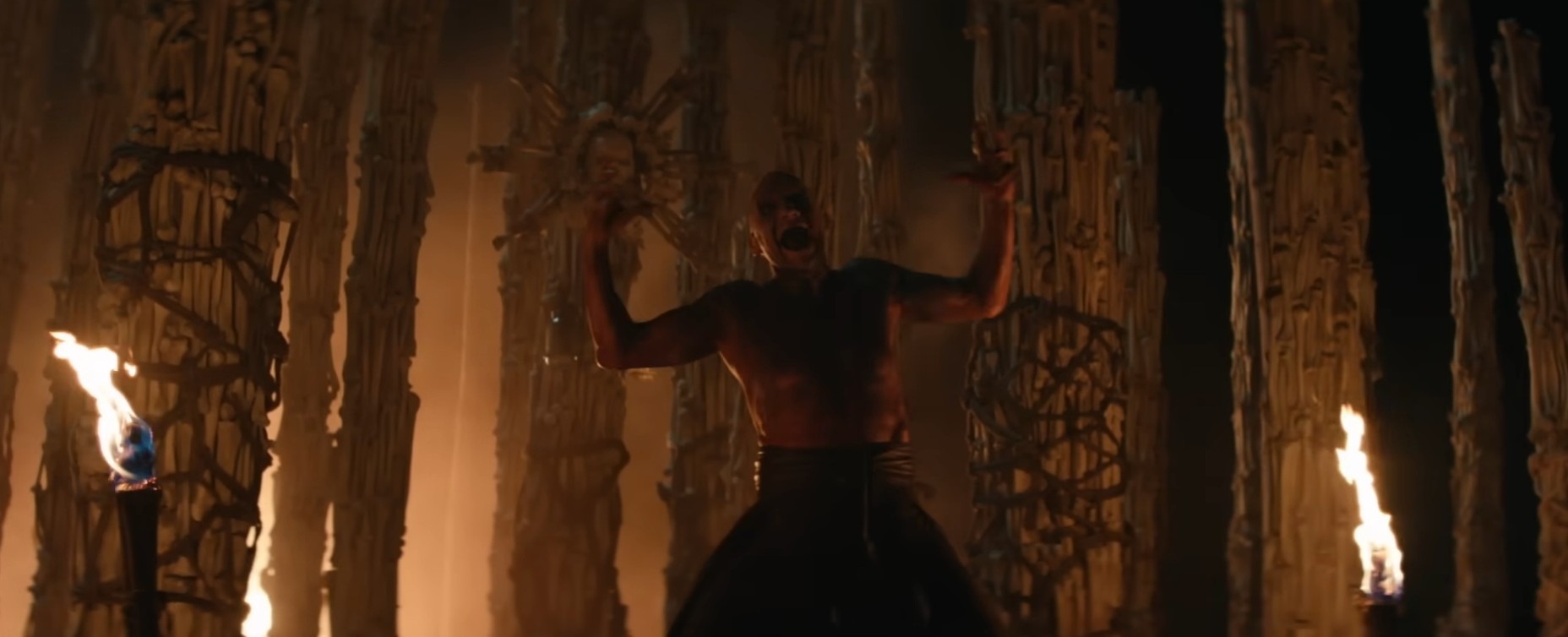
Apparently not. And, much like the box office failure of Nia DaCosta’s foray into superheroines, I don’t think the movie itself explains why. Or, at least… not entirely the movie, solely in reference to itself. The audience fatigue goes beyond this one film, maybe even beyond this franchise, and into the zombie apocalypse genre in general. Simply put, I think modern audiences are burned out on anti-human pessimism. Which is the mindset most of these zombie apocalypse movies assume. “Mankind is the real monster!” has been the dominant theme of the overwhelming majority of these stories, and hey, I get it. People can be monstrous to others. People can be breathtakingly incompetent. But also, 28 Years Later: The Bone Temple does not accurately reflect the kind of stupidity and evil we see from others in a disaster.
For example, a major subplot involves Dr. Ian Kelson’s discovery regarding “Samson.” He realizes that this super-buff Alpha Infected isn’t repeatedly going to his ossuary out of any kind of aggression towards Kelson specifically, but because he’s become addicted to the tranquilizers that Kelson repeatedly subdues him with. Over time, these sedatives seem to mitigate the symptoms of the Rage Virus and even potentially partially cure the ailment. Which is a major plot development for this franchise, but also… no one figured this out, before? You mean to tell me no other doctor in the preceding 28 years of this plague ravaging the world thought to themselves, “Hey let’s sedate and test a bunch of medicines on the infected to see if this condition is treatable?” If you think I’m being too much of a techno-science-optimist, it did not take doctors 28 years to come up with AZT, HAART, and PrEP as treatments for HIV, and that was with the Reagan Administration actively obstructing the medical community from meaningfully addressing that disease during the first few years of the outbreak. Even in the face of institutional apathy in the real world, doctors were still able to work together to make significant scientific strides in response to a raging epidemic. But okay, maybe somehow the hordes infected with the Rage Virus managed to destroy every major research lab and institution in the world or something. Maybe every single medical professional just threw up their hands and all simultaneously adopted an every-man-for-himself attitude to a degree they have never done before in the real world.
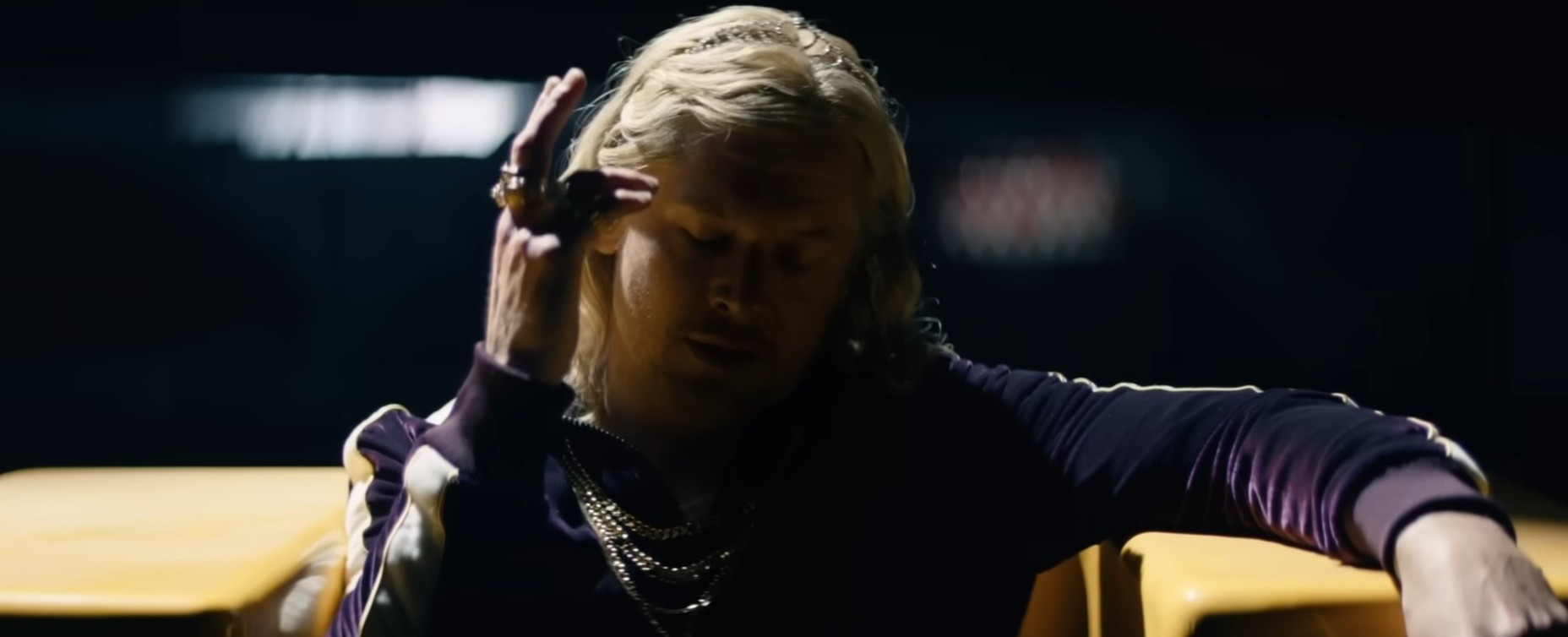
But while we’re on the subject of the Reagan era, that brings me to the more pervasive cynicism of this movie: the Jimmies. I hated how they were set up in the last film, and their full arc here is even dumber than I feared it would be. From top to bottom, Sir Jimmy’s gang are some of the laziest manifestations of 1980s-style satanic panic I’ve seen in years. Its ringleader worships the Devil. Not Jimmy Savile. But the literal Satan. Because of daddy issues or something. Why do zombie apocalypse movies do this? These villains showed up in The Walking Dead all the time. It’s such a pessimistic assumption that a significant portion of the population will turn into roving gangs of murderous psychopaths who telegraph and luxuriate in their bloodthirstiness at the first sign of widespread disaster, and it’s not even true! During widespread catastrophe and systemic collapse, the overwhelming majority of people come together to help one another. The elites are the ones who turn into monsters. The elites indulge in their most base instincts in the face of widespread calamity. The elites combine knee-jerk stupidity and ineptitude in ways previously unimaginable to us mere commoners. So when the entertainment industry constantly tells us the best thing to do during times of crisis is trust no one and assume the worst in other people… who does that mindset benefit, exactly, if not elites?
In my positive review of the unique independent horror movie Herd two-and-a-half years ago, I commended James Allerdyce and Steven Pierce for going out of their way to deny us the easy indulgence of consequence-free violence and general misanthropy that most other zombie apocalypse movies lean on. But in writing that review, a part of me also lamented that this very subversion would hinder its ability to appeal to a wider audience during a time when selfishness was becoming trendy again. When people were telling bald-faced lies to themselves about the sacrifices everyday people were willing to make but the elites were melting down over during the COVID-19 outbreak. But now? After a year of experiencing what true solidarity looks like? After slowly coming to the realization that those roving gangs of sadistic devil worshipers don’t exist and never have? After realizing we erred in vilifying medical doctors at the behest of deep-pocketed wellness grifters? After getting a sense of just how dramatically modern social media has hotwired our brains for distrust and casual cruelty? Maybe movies like Herd were just a little too ahead of their time.
Which means the audience for this new 28 Years Later trilogy is dwindling. We just don’t have that culturally misanthropic mentality, anymore. Or at least… I hope we don’t.


Comments
Loading…