
 Joey Magidson
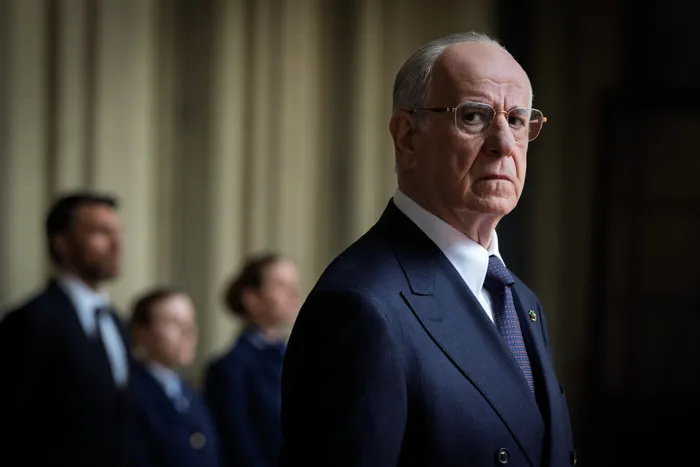
Politics can be nasty business. In some ways, it practically begs for a film to take a satirical approach or to lean in to the nastiness of it all. La Grazia finds filmmaker Paolo Sorrentino again tackling Italian politics, though here, he’s made a movie that has a dignity to it. Given the overall state of the world, in terms of our politicians, that’s actually a fairly bold approach for Sorrentino to take. The result is a flick that feels old-fashioned, though with occasional flashes that remind you who is at the helm.
La Grazia is an interestingly gentle work from Sorrentino. Imagining the final days of a fictional Italian President, it’s a very different exercise from the filmmaker. Normally, it’s all maximalism and more being more. Here, however, it’s quiet, restrained, and far more observational. It makes for a very different movie from the auteur, mostly for the good, too.
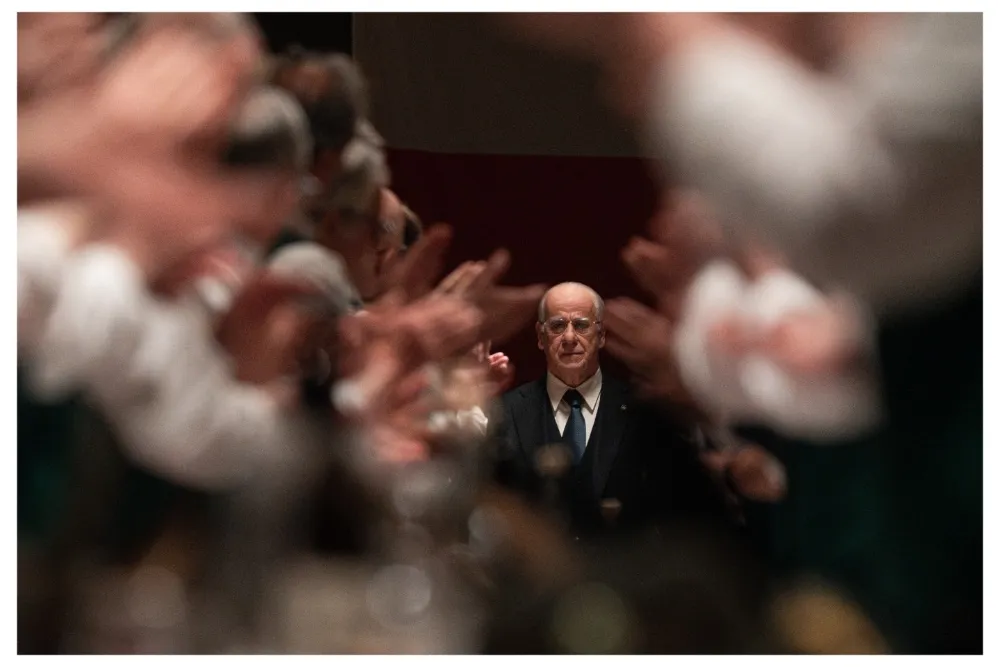
Italian President Mariano De Santis (Toni Servillo) is the type of boring and quiet politician that used to be the norm. Elected as a dignified and moral leader, he’s served quietly, leaning into being a former judge and student of the law, to the point where, when he learns his nickname translates to “reinforced concrete,” he doesn’t quite know if it’s a compliment or an insult. We meet him widowed and in the final six months of his Presidency. His life and legacy are on his mind, as are two very important decisions, both of which could mark not just the end of his days in office, but the future of Italy.
The first matter is whether to sign a law legalizing euthanasia, which is supported by many, including his daughter Dorotea (Anna Ferzetti), who has a hand in his administration. The second is a pair of pardons that are sitting on his desk. One is for beloved history teacher Cristiano Arpa (Vasco Mirandola), who killed his wife when she reached an advanced stage of Alzheimer’s. The other is for young woman Isa Rocca (Linda Messerklinger), convicted of murdering her husband while he slept, put forth by the President’s longtime friend Ugo (Massimo Venturiello), who has designs on the job, too. How he handles these decisions, as well as ruminates on his life, forms the backbone of the story.
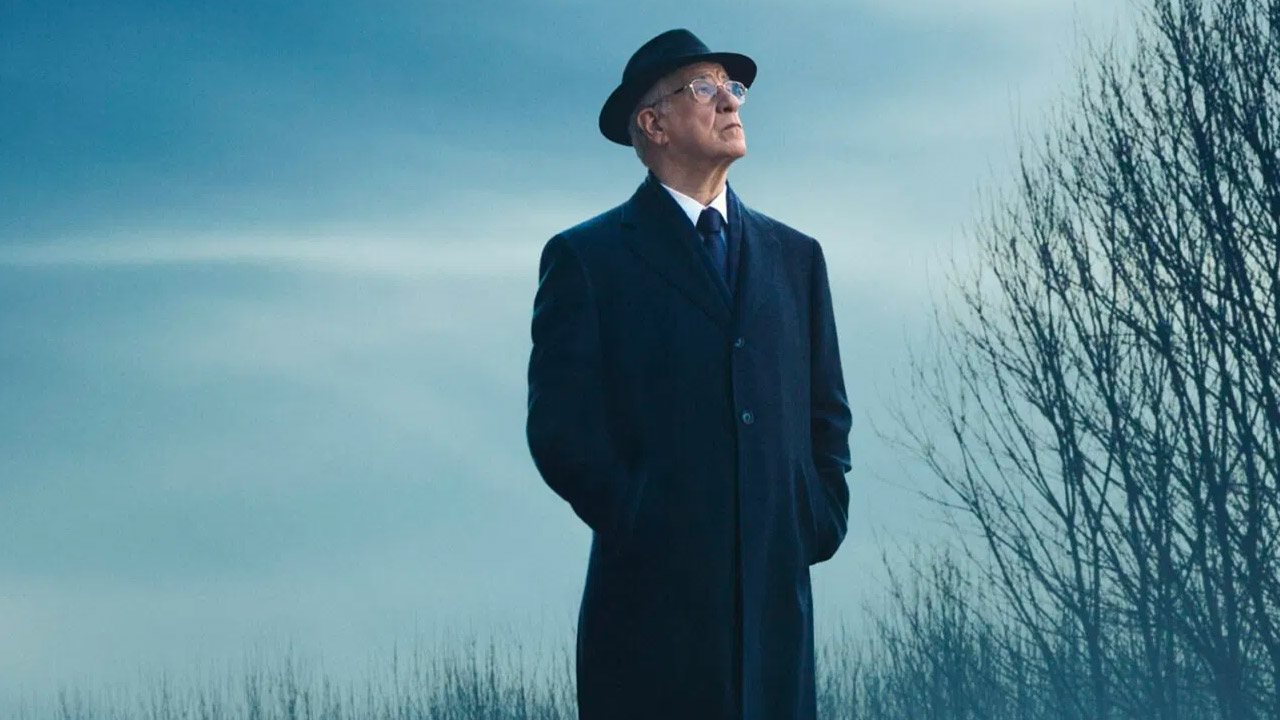
Toni Servillo, a longtime collaborator with Sorrentino, turns in an amazing performance. He’s played Italian leaders before, including the wilder Silvio Berlusconi, but here, he finds a soulful depiction of a President. Watching Servillo depict something as novel as dignity in a politician is truly a sight to behold. Even just when he comes to his final decisions, his rationale is exactly what you hope for in a head of state thinking about the future. Servillo blew me away. In addition to the aforementioned Anna Ferzetti, Linda Messerklinger, Vasco Mirandola, and Massimo Venturiello, who are all effective, supporting players here also include Orlando Cinque, Milvia Marigliano, Francesco Martino, Rufin Doh Zeyenouin, and more.
Filmmaker Paolo Sorrentino has occasional moments where he takes flights of fancy, but by and large, La Grazia is restrained in a way that keeps the focus on the wonderful turn by Toni Servillo. Cinematographer Daria D’Antonio gets to have a little fun here and there, which Sorrentino’s direction is clearly relishing, but this is a different kind of exercise than normal. This is where his screenplay shines, as Servillo gets so much to do, even when just quietly thinking about his life.
La Grazia has a deliberate pace that won’t be for everyone, especially if you’re impatient. At the same time, this is such a different collaboration between Servillo and Sorrentino, if you’ve liked anything they’ve teamed up on before, this is worth checking out as well. If nothing else, this performance by Servillo is worthy of examination.
SCORE: ★★★


[…] Film Review: ‘La Grazia’ is a Quiet Look at Dignity in Politics From Paolo Sorrentino […]